Gran Canaria 2026: the future of pest management is built together
Salvatore Bosco shares his experience at the XVIII Spanish Congress and VIII Ibero-American Congress on Environmental Health.
 Salvatore Bosco · Issue 20


Listen to this article with your device’s voice.
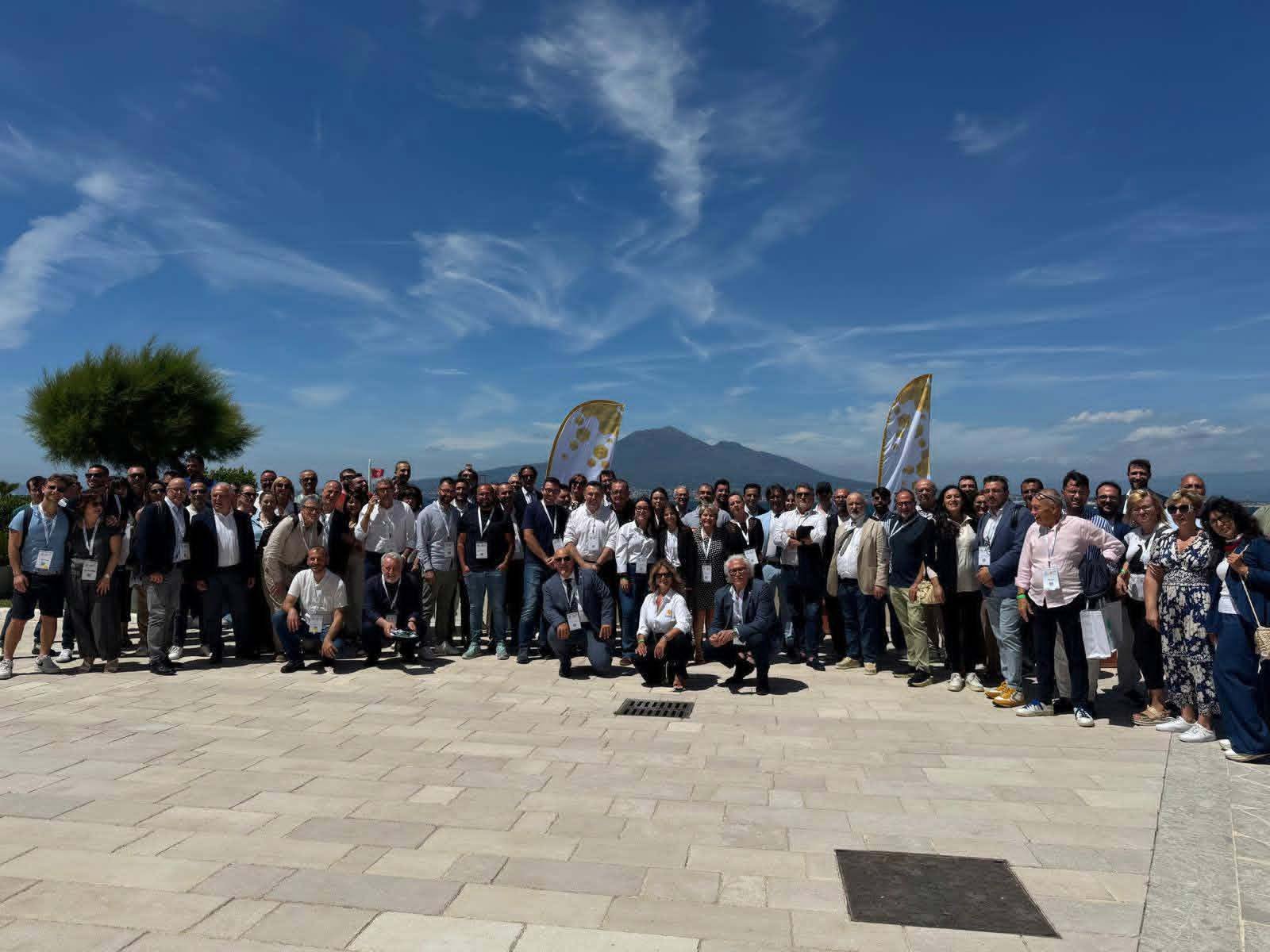
Participating in the XVIII Spanish Congress and VIII Ibero-American Congress on Environmental Health, held in Las Palmas de Gran Canaria from May 13 to 15, has been a particularly enriching experience. I had the opportunity to represent AIDPI—the Italian Association of Professional Pest Control Companies—in my capacity as Chair of the Committee for Relations with Foreign Associations, sharing experiences and insights with professionals, researchers, and institutions from different countries.
From the opening sessions, it became clear that the environmental health and professional pest management sectors are called upon to collaborate ever more closely. Climate change, globalization, the spread of invasive species, and the emergence of new health risks are profoundly transforming the scenarios in which our companies operate.
Among the topics that drew the greatest interest were vector control, epidemiological surveillance, and the evolution of integrated pest management strategies. Especially noteworthy was the workshop devoted to new approaches to vector management in Spain, where concrete experiences were presented on combating West Nile fever, monitoring the tiger mosquito, and applying innovative systems for entomological surveillance.
Also of great relevance was the session dedicated to “pests of the future,” which addressed a question destined to occupy a central place in our industry: what will be the next threats we have to face? The presentations highlighted that the ability to anticipate the arrival of new invasive organisms and emerging vectors is today one of the most valuable tools for protecting public health and ensuring effective, sustainable interventions.
Another concept present across the entire congress was the One Health approach. Human health, animal health, and environmental quality can no longer be regarded as separate domains. This integrated vision has become the foundation of the most advanced prevention and control strategies and represents a direction that our sector must continue to advance with determination.
As a representative of AIDPI, I was able to confirm once again the importance of strengthening international dialogue among professional associations. The challenges we face are shared and demand a constant exchange of knowledge, experience, and best practices. Gatherings like the one in Gran Canaria are not merely opportunities for technical and scientific updating, but genuine spaces for international cooperation.
We return from Las Palmas with new ideas, new contacts, and an even stronger conviction: the future of professional pest management will be increasingly tied to knowledge, sustainability, and collaboration among all stakeholders involved. A future that, judging by the level of discussion and the quality of the contributions presented, has already begun.