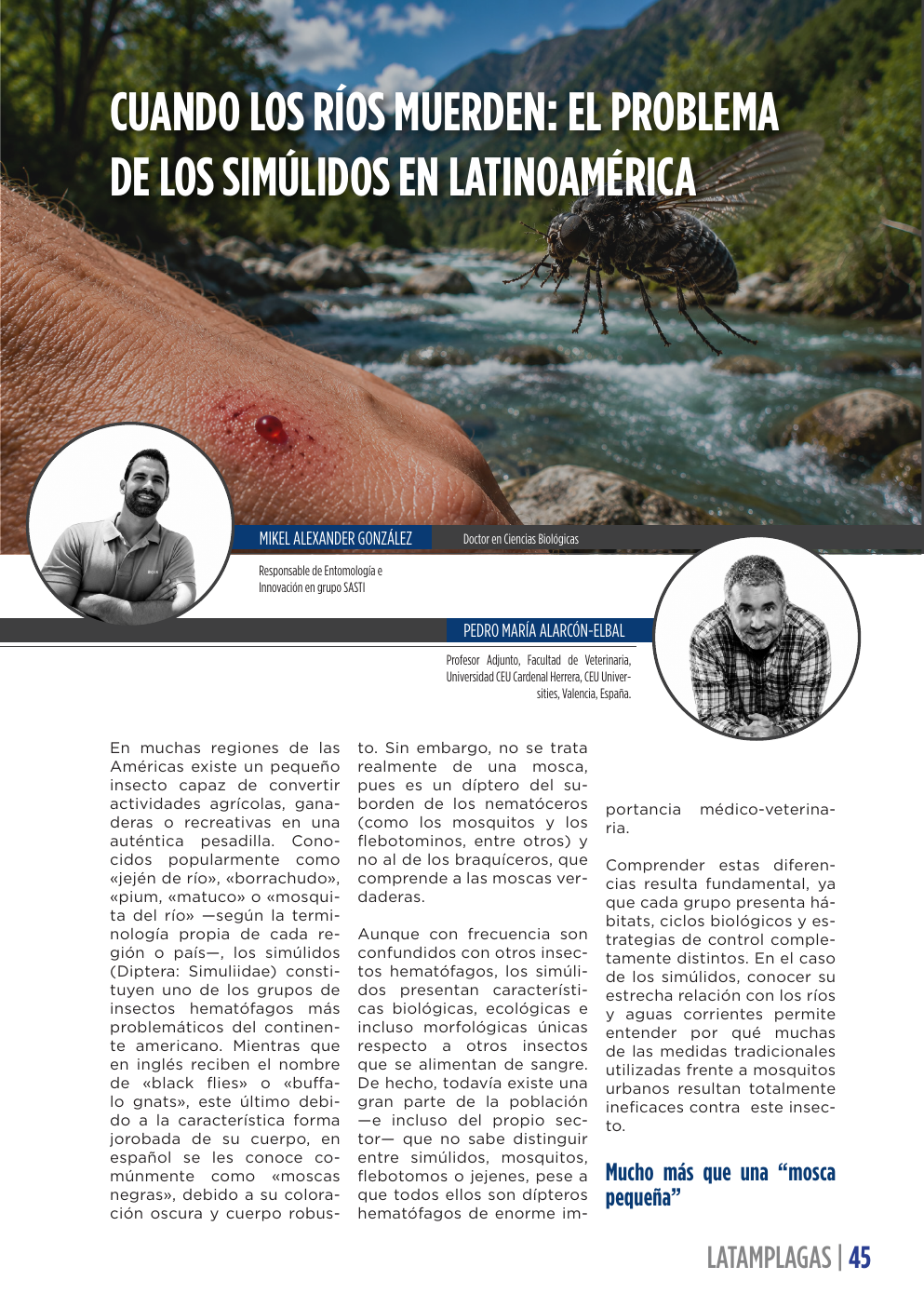
Cuando los ríos muerden: el problema de los simúlidos en Latinoamérica
En muchas regiones de las Américas existe un pequeño insecto capaz de convertir actividades agrícolas, ganaderas o recreativas en una auténtica pesadilla.
Read article
Pests and their management. An international perspective.
Mosquitoes, dengue, vectors and content linked to environmental health.
En muchas regiones de las Américas existe un pequeño insecto capaz de convertir actividades agrícolas, ganaderas o recreativas en una auténtica pesadilla.
Read article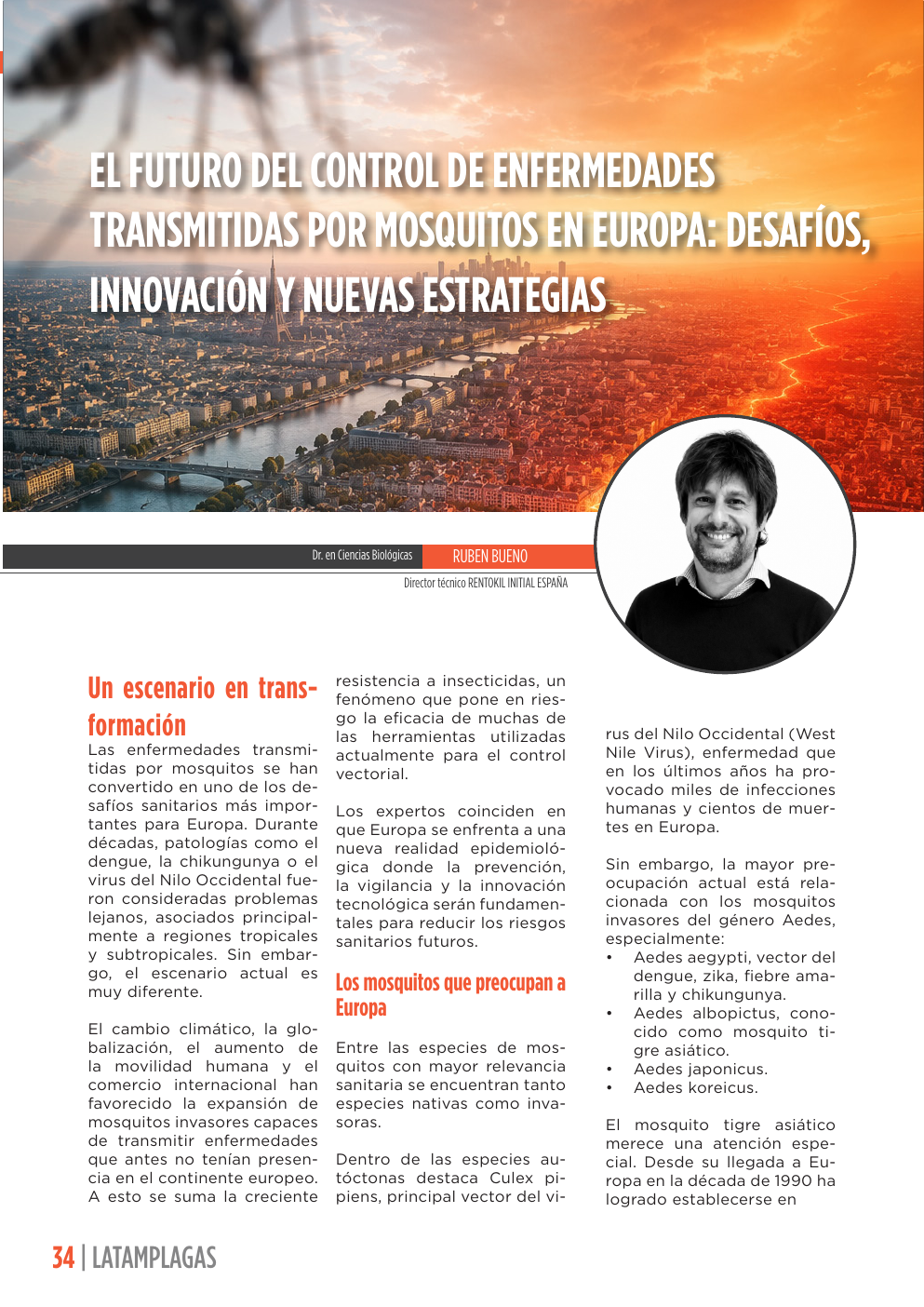
Las enfermedades transmitidas por mosquitos se han convertido en uno de los desafíos sanitarios más importantes para Europa.
Read article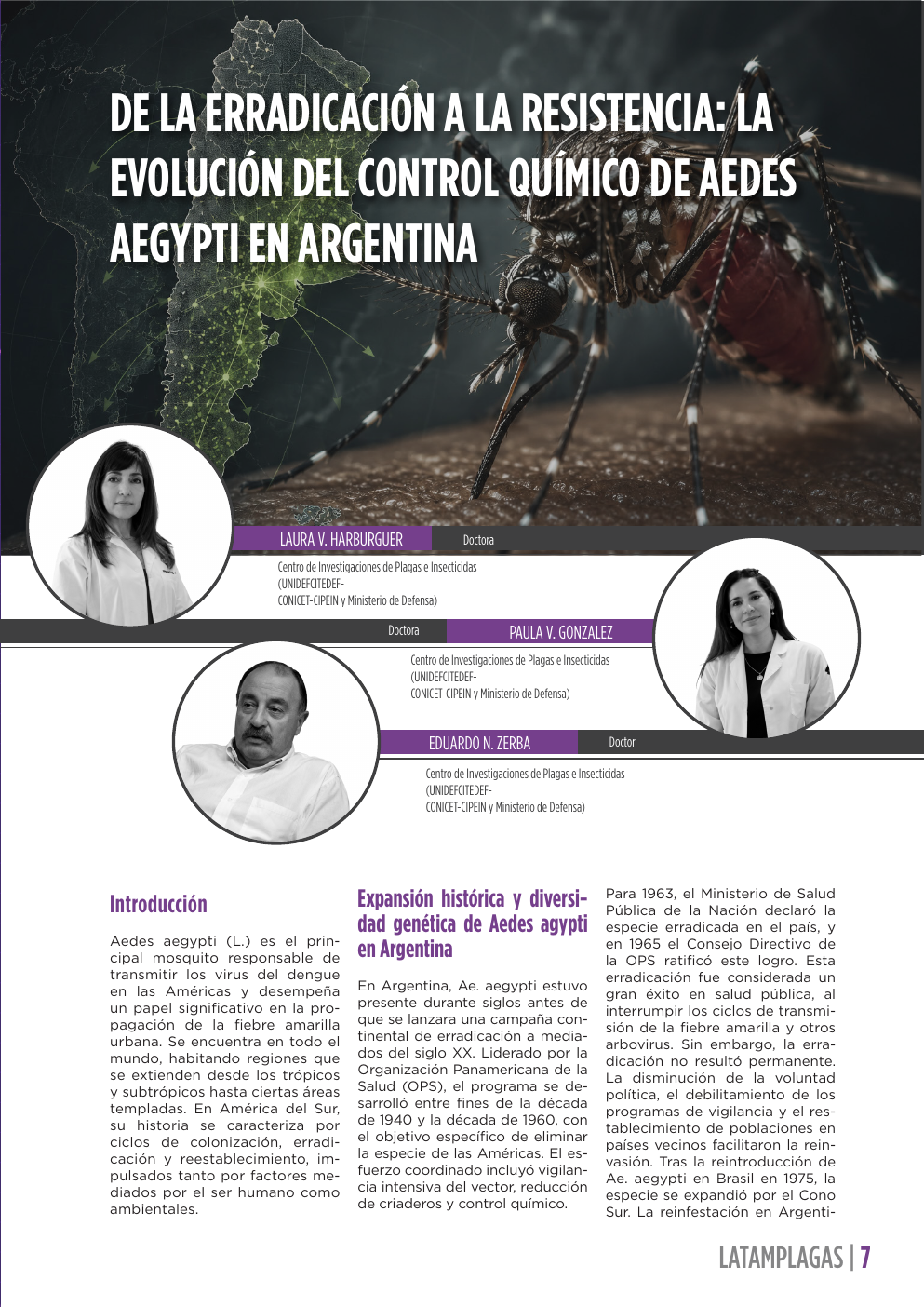
Aedes aegypti (L.) es el principal mosquito responsable de transmitir los virus del dengue en las Américas y desempeña un papel significativo en la propagación de la fiebre amarilla urbana.
Read article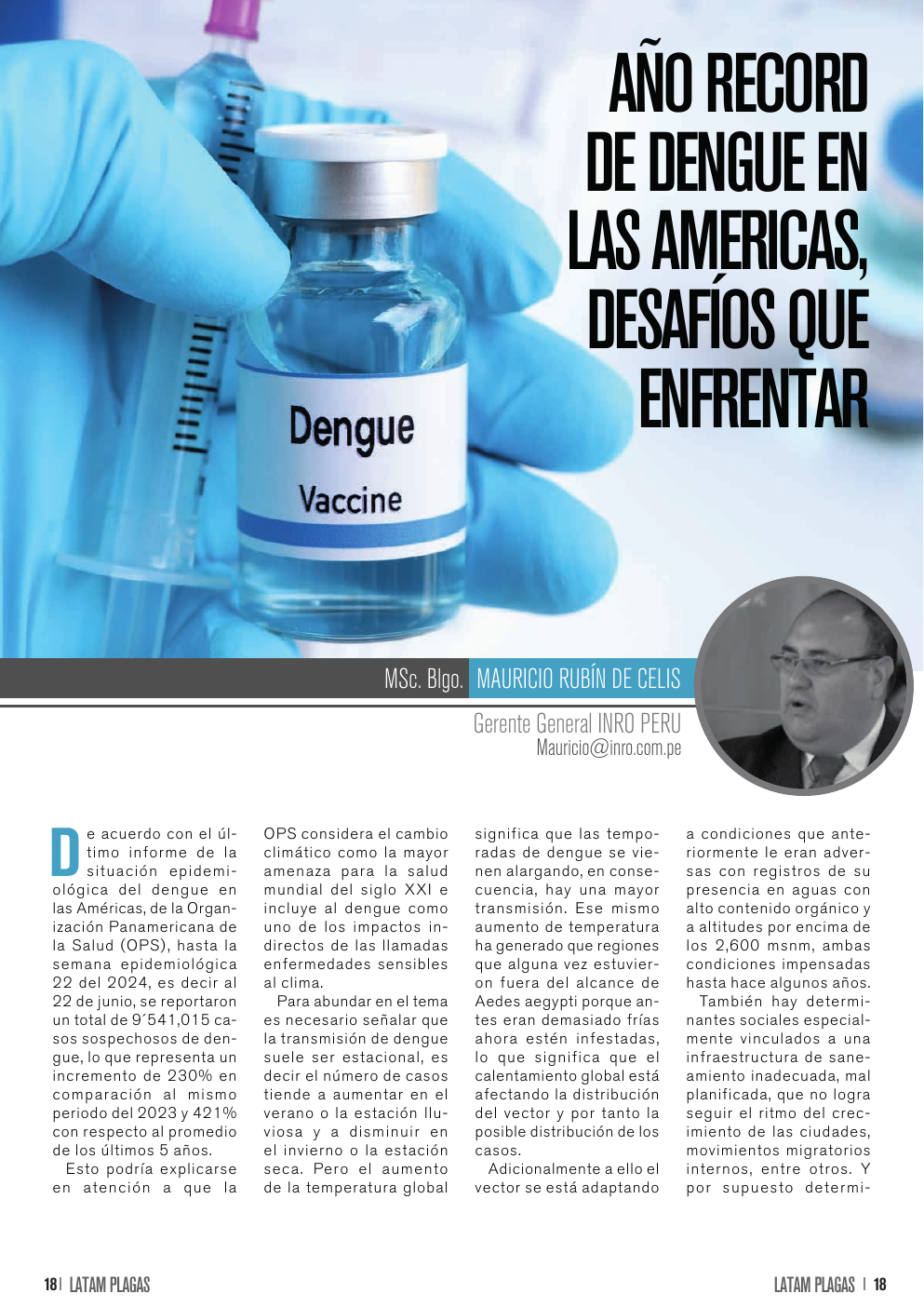
According to the latest report on the epidemiological situation of dengue in the Americas, from the Pan American Health Organization (PAHO), until epidemiological week 22 of 2024, that is, June 22, a total of...
Read article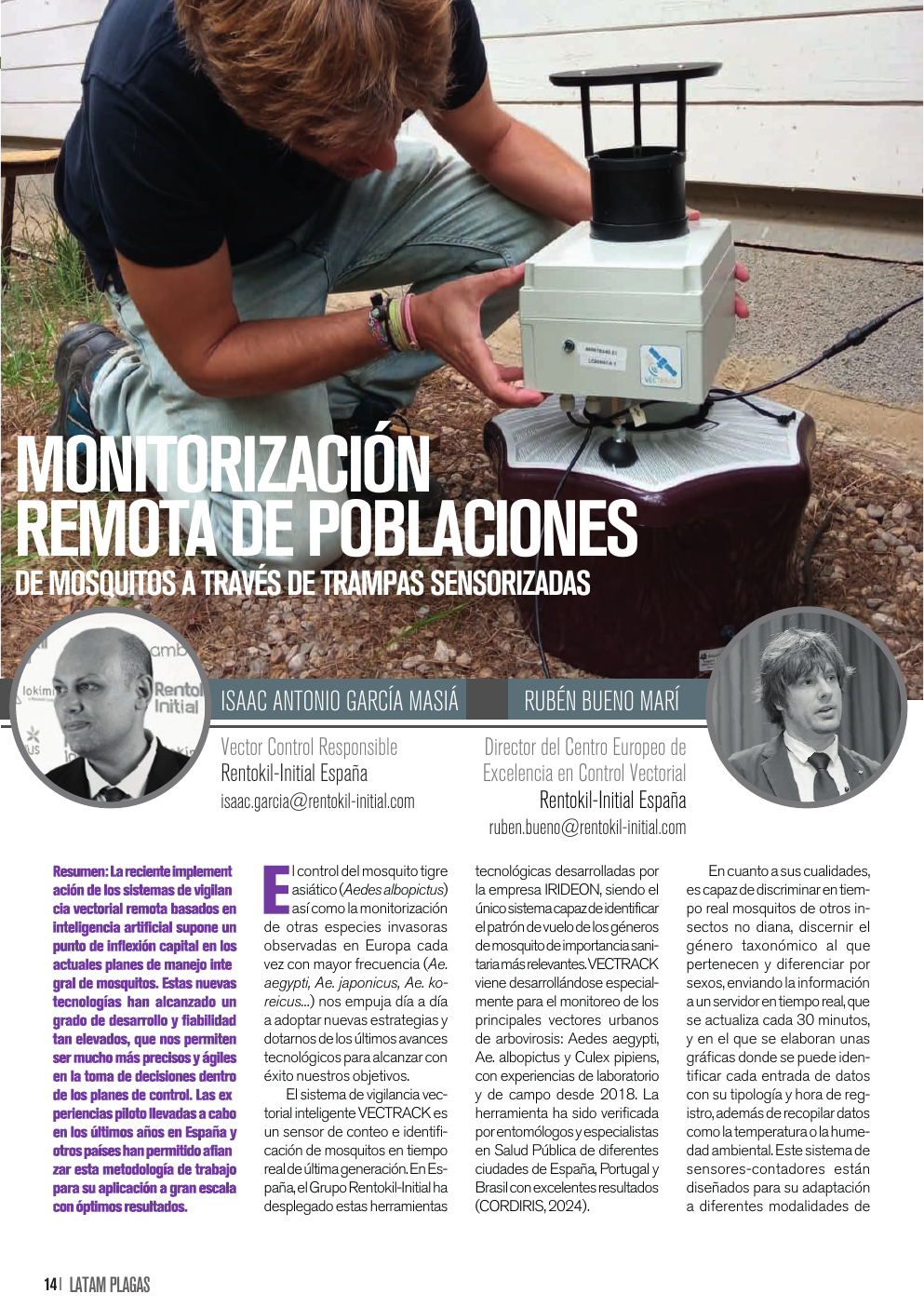
Summary: The recent implementation of remote vector surveillance systems based on artificial intelligence represents a major turning point in current comprehensive mosquito management plans.
Read article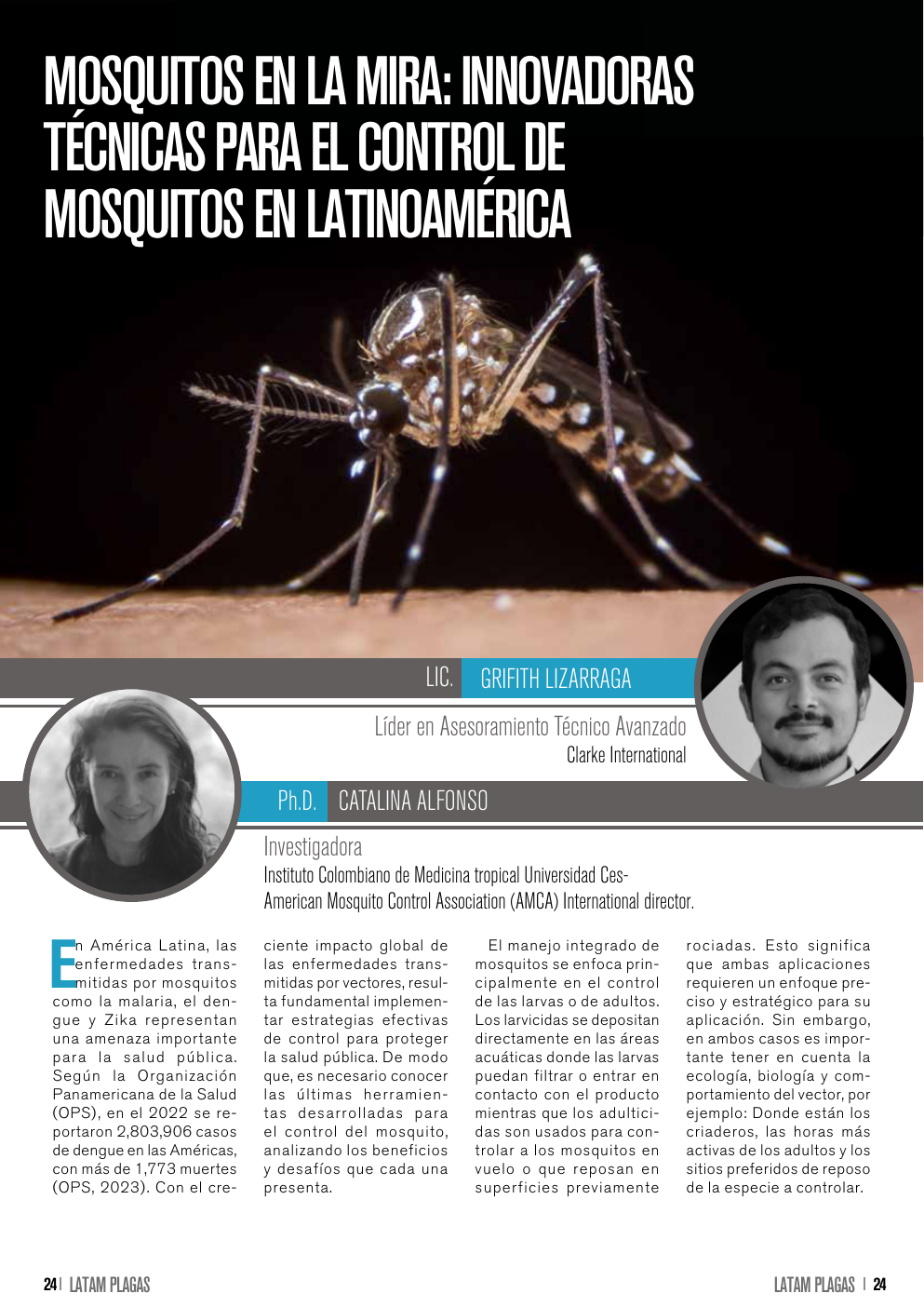
In Latin America, mosquito-borne diseases such as malaria, dengue and Zika represent a significant threat to public health.
Read article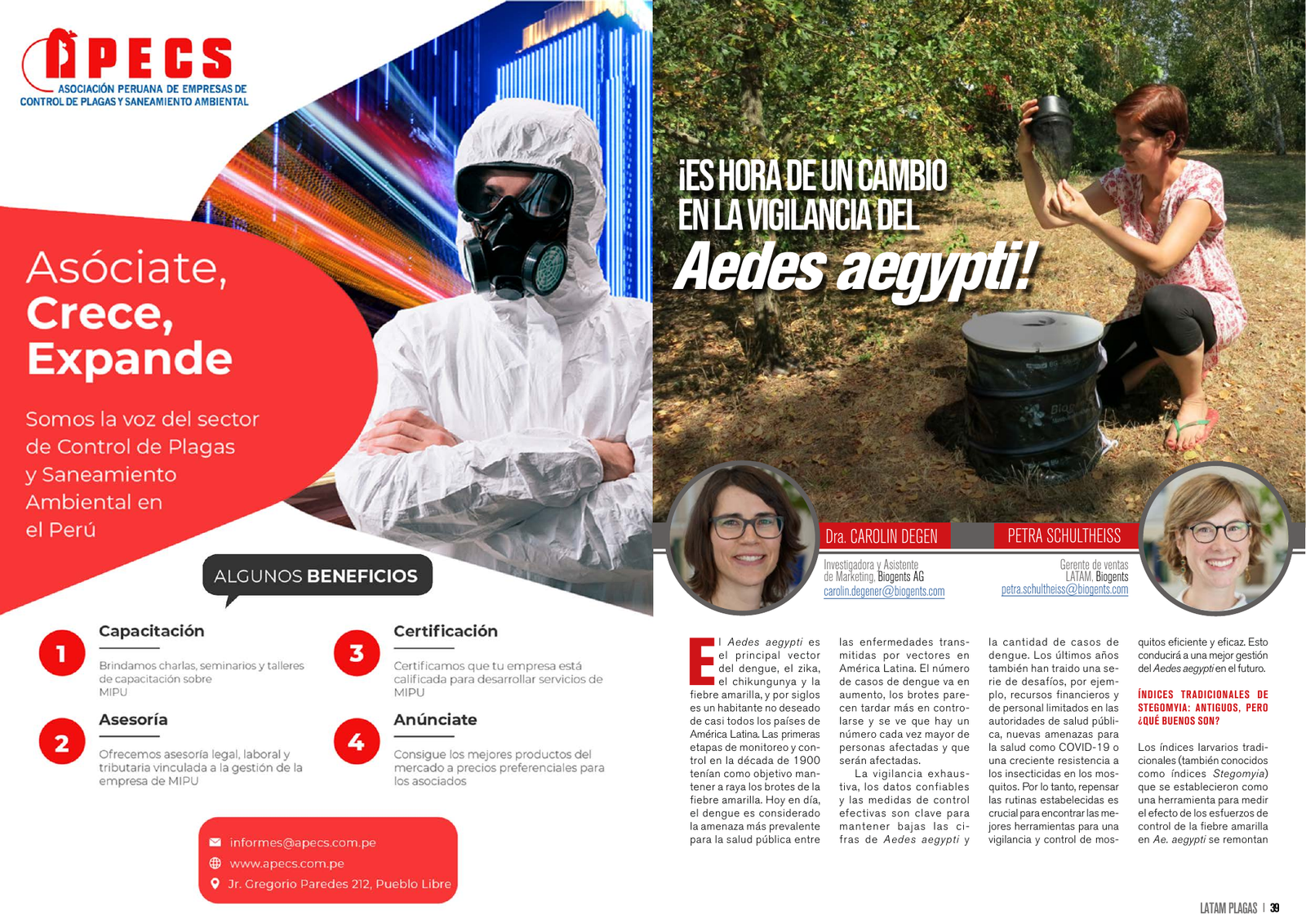
Aedes aegypti is the main vector of dengue, Zika, chikungunya and yellow fever, and for centuries it has been an unwanted inhabitant of almost all Latin American countries.
Read article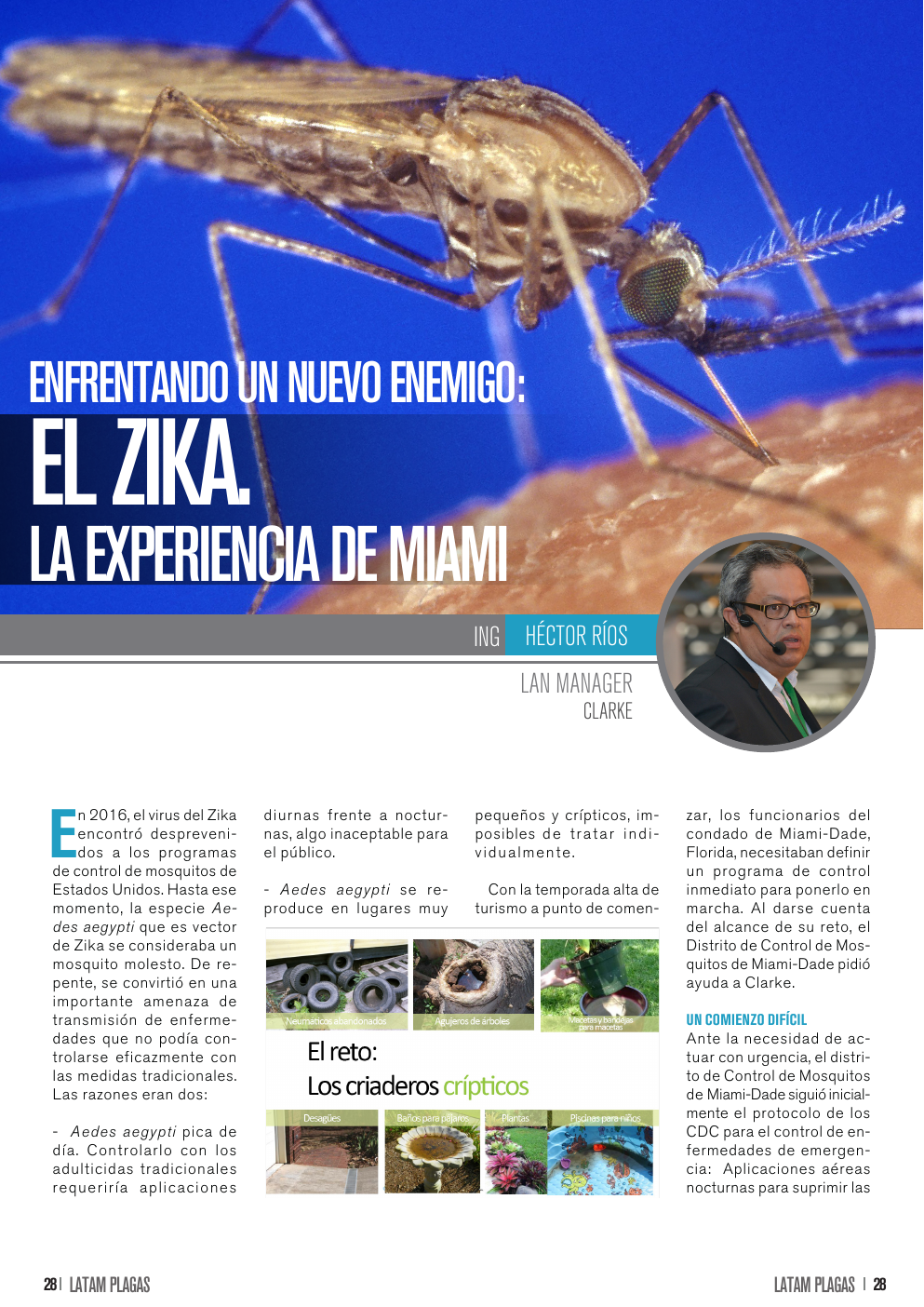
In 2016, the Zika virus caught U.S. mosquito control programs off guard. Until then, the Aedes aegypti species that vectors Zika was considered a nuisance mosquito.
Read article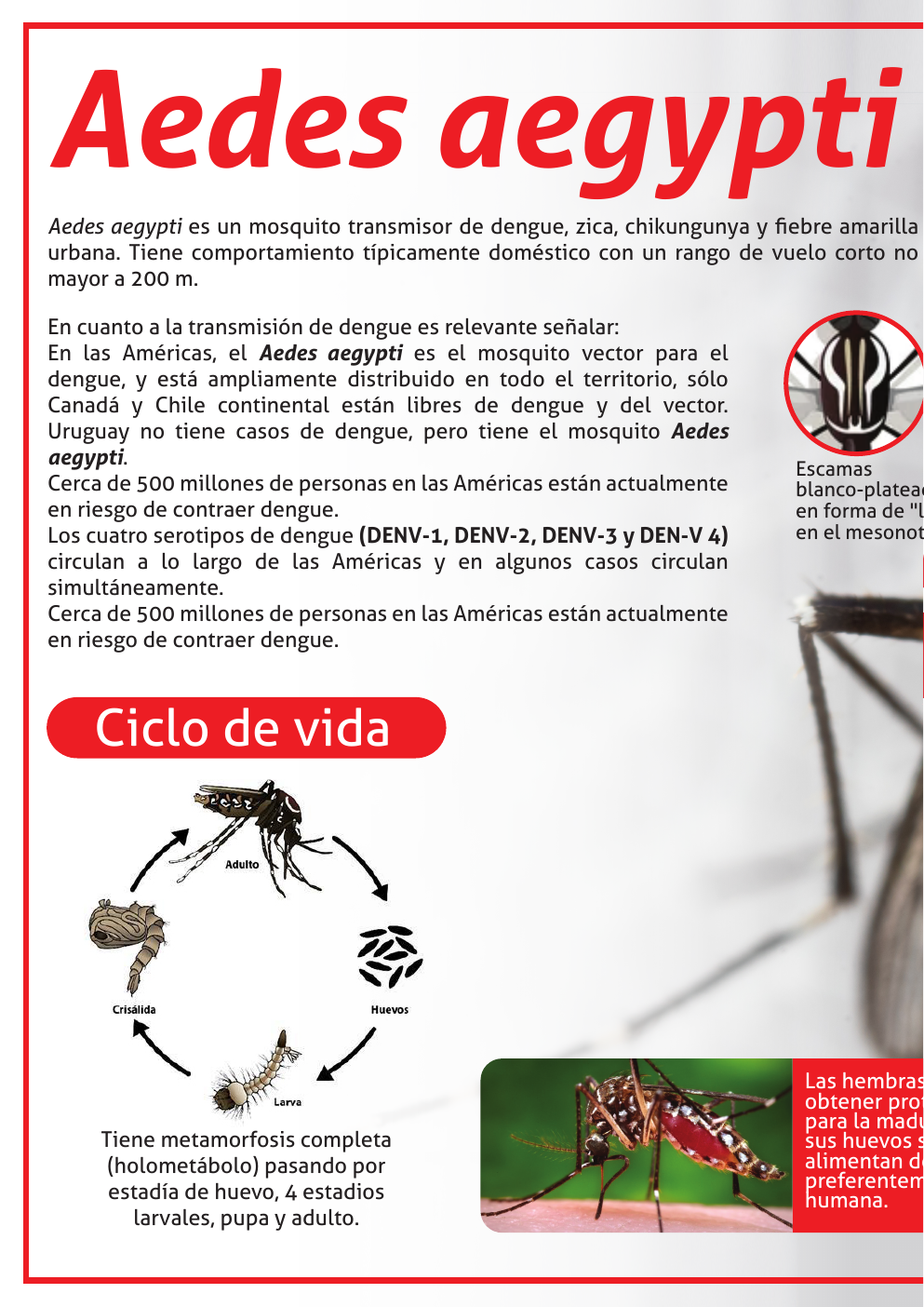
Aedes aegypti is a mosquito that transmits dengue, zica, chikungunya and urban yellow fever. It has typically domestic behavior with a short flight range of no more than 200 m.
Read article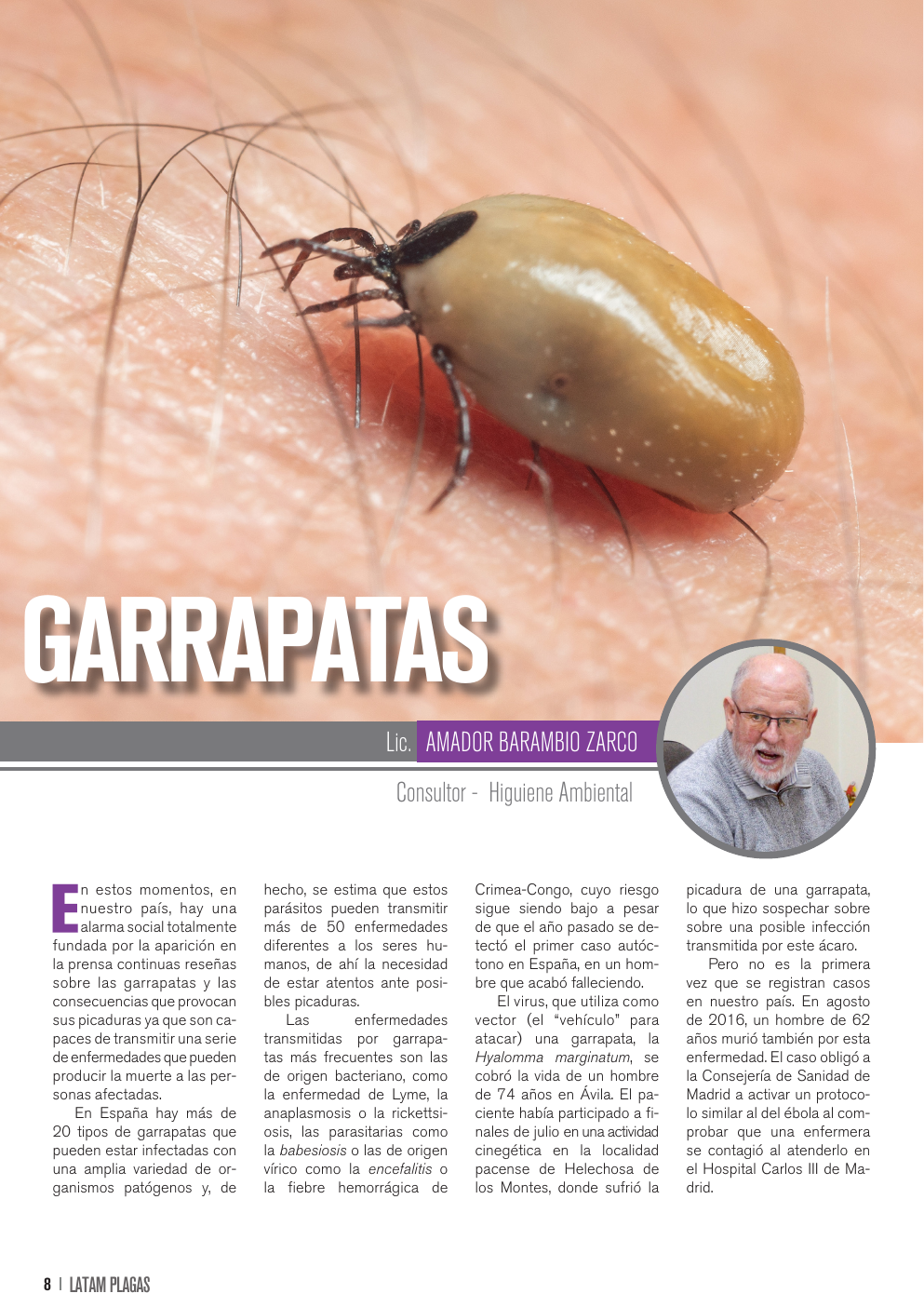
At the moment, in our country, there is a social alarm completely founded by the appearance in the press of continuous reviews about ticks and the consequences caused by their bites, since they are capable of...
Read article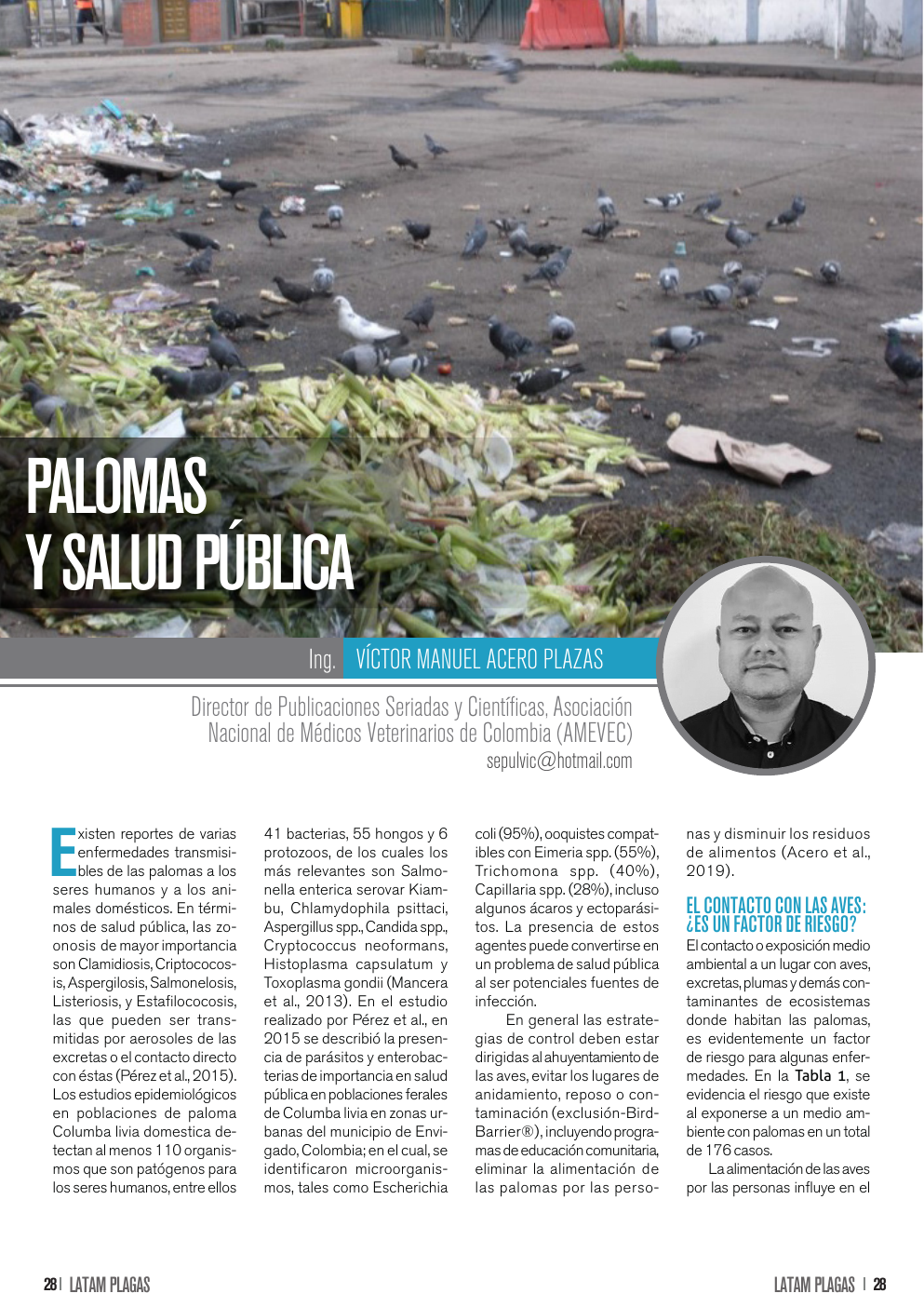
There are reports of several diseases communicable from pigeons to humans and domestic animals.
Read article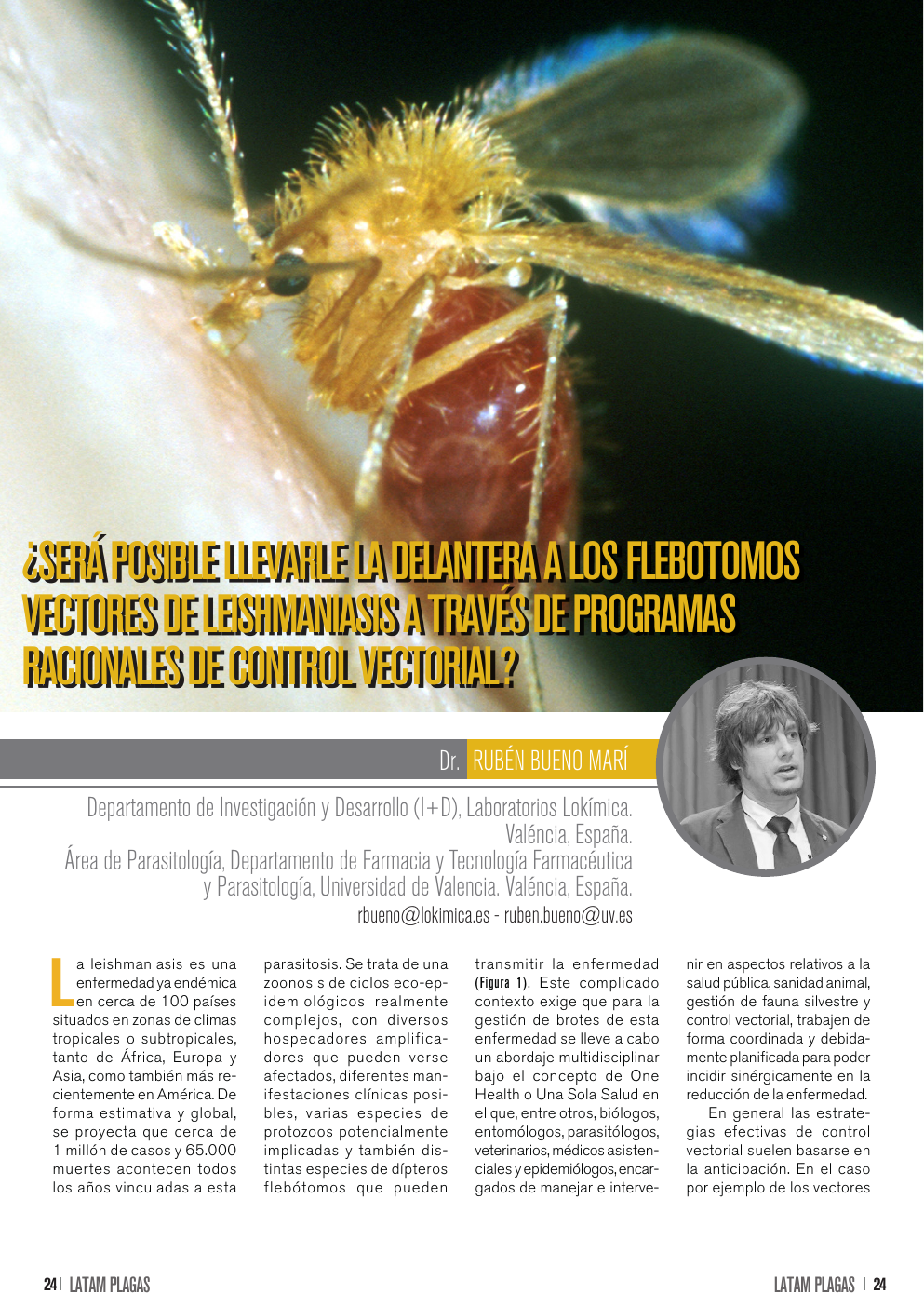
Leishmaniasis is a disease already endemic in nearly 100 countries located in areas with tropical or subtropical climates, both in Africa, Europe and Asia, as well as more recently in America.
Read article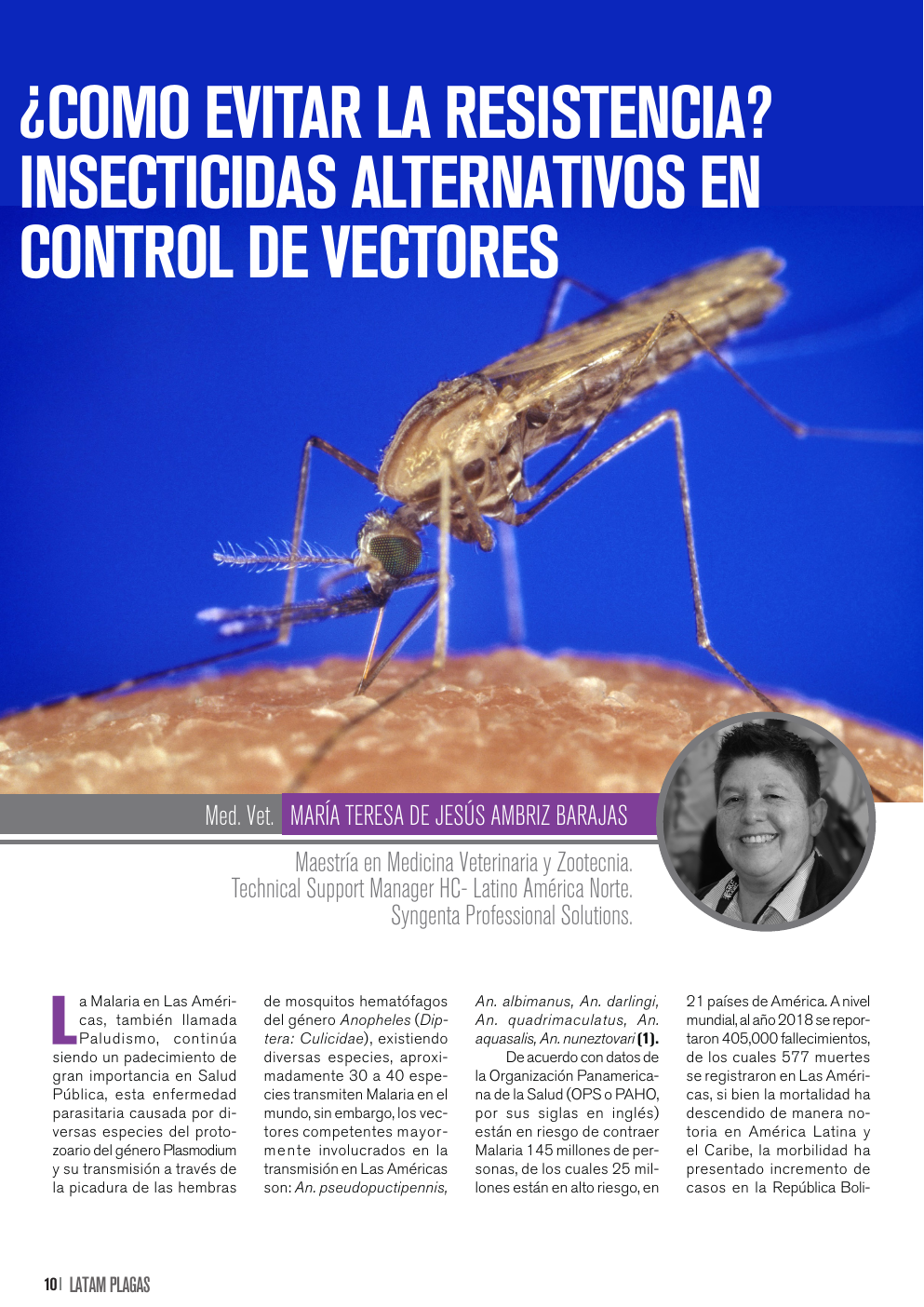
Malaria in the Americas, also called Malaria, continues to be a disease of great importance in Public Health, this parasitic disease caused by various species of the protozoan of the genus Plasmodium and its...
Read article
We are in the first quarter of 2021 and nothing has changed in relation to the Pandemic. COVID is still present and the new year has not neutralized it.
Read article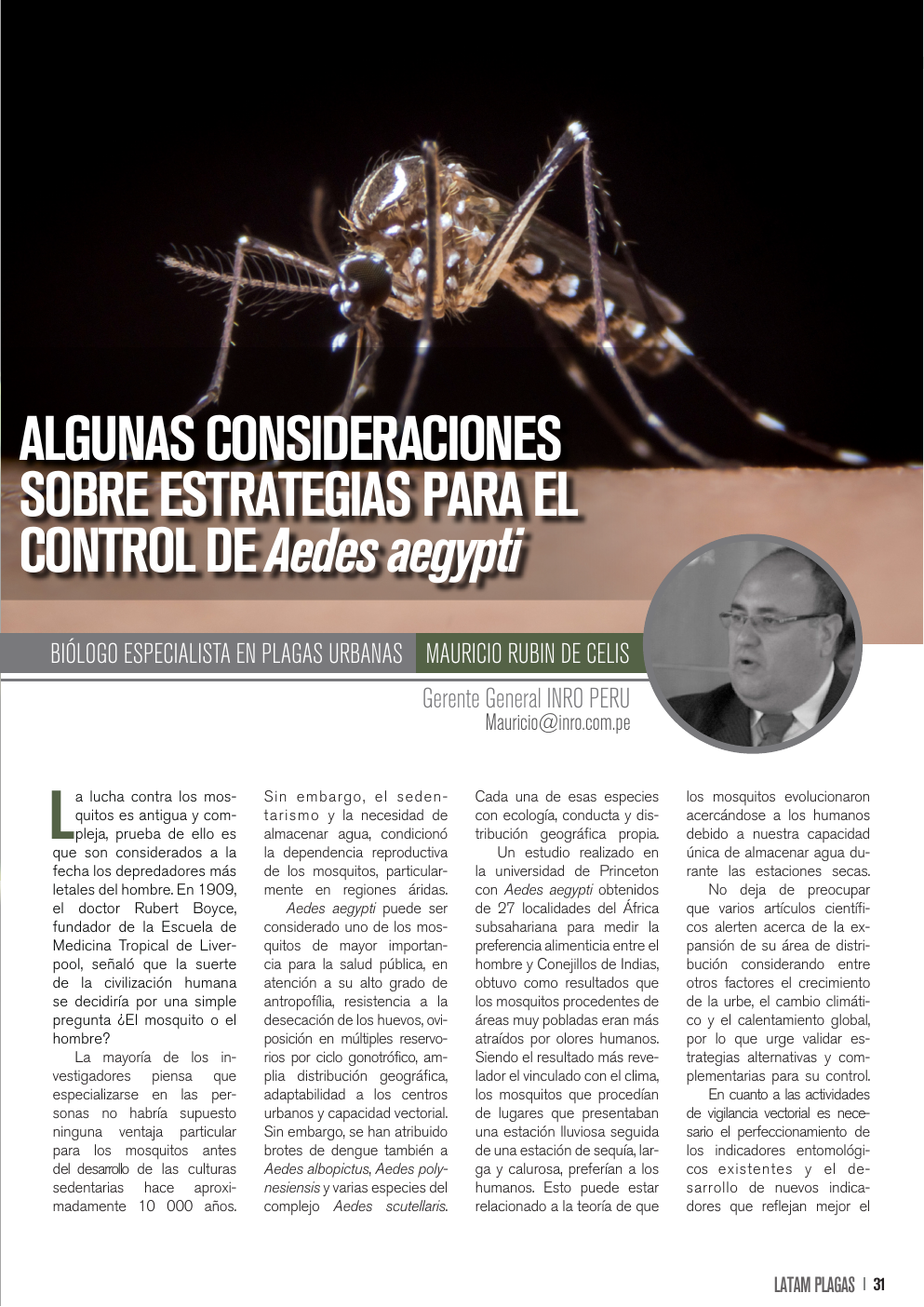
The fight against mosquitoes is ancient and complex, proof of this is that they are considered to date the most lethal predators of man.
Read article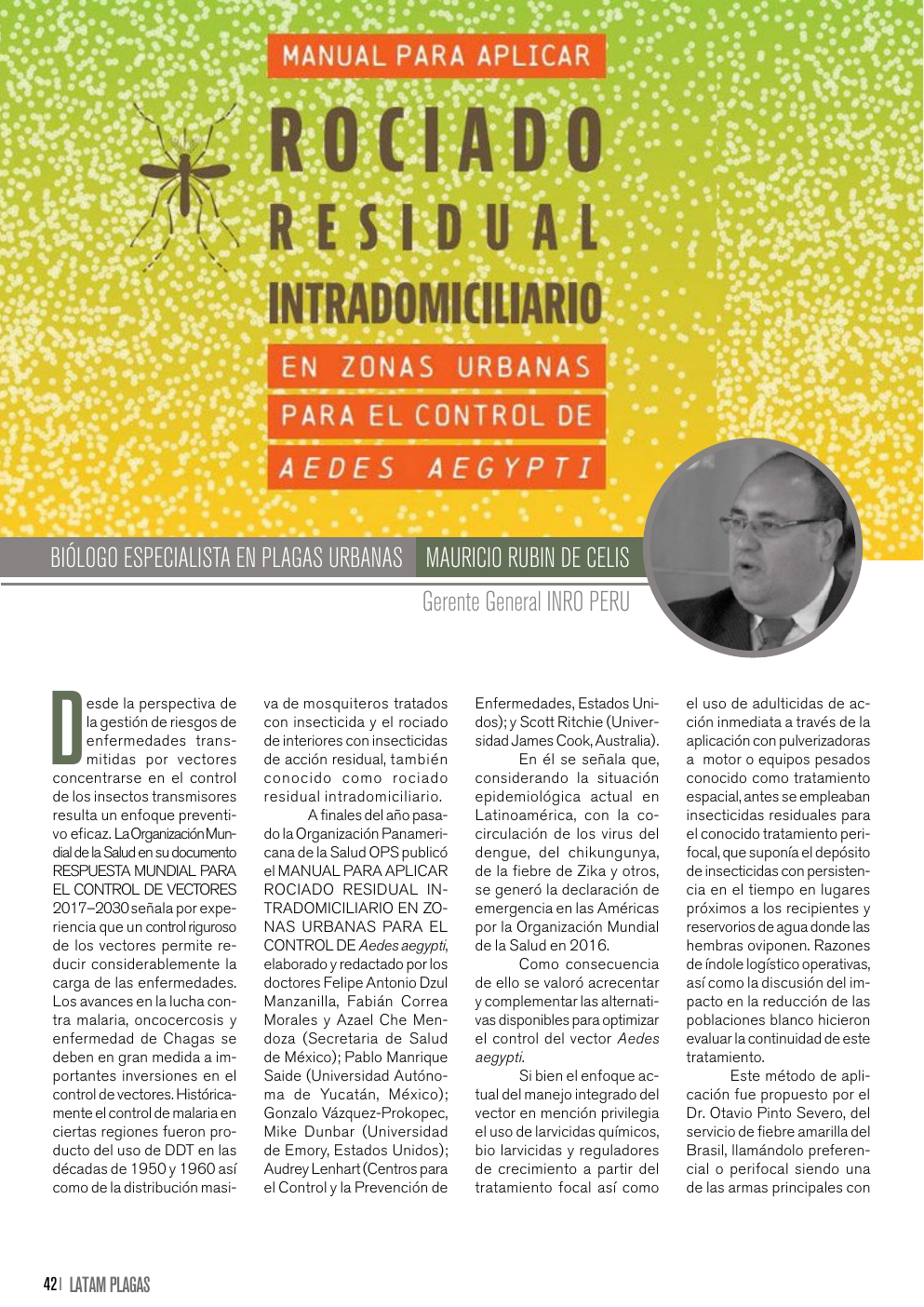
From the perspective of vector-borne disease risk management, focusing on the control of transmitting insects is an effective preventive approach.
Read article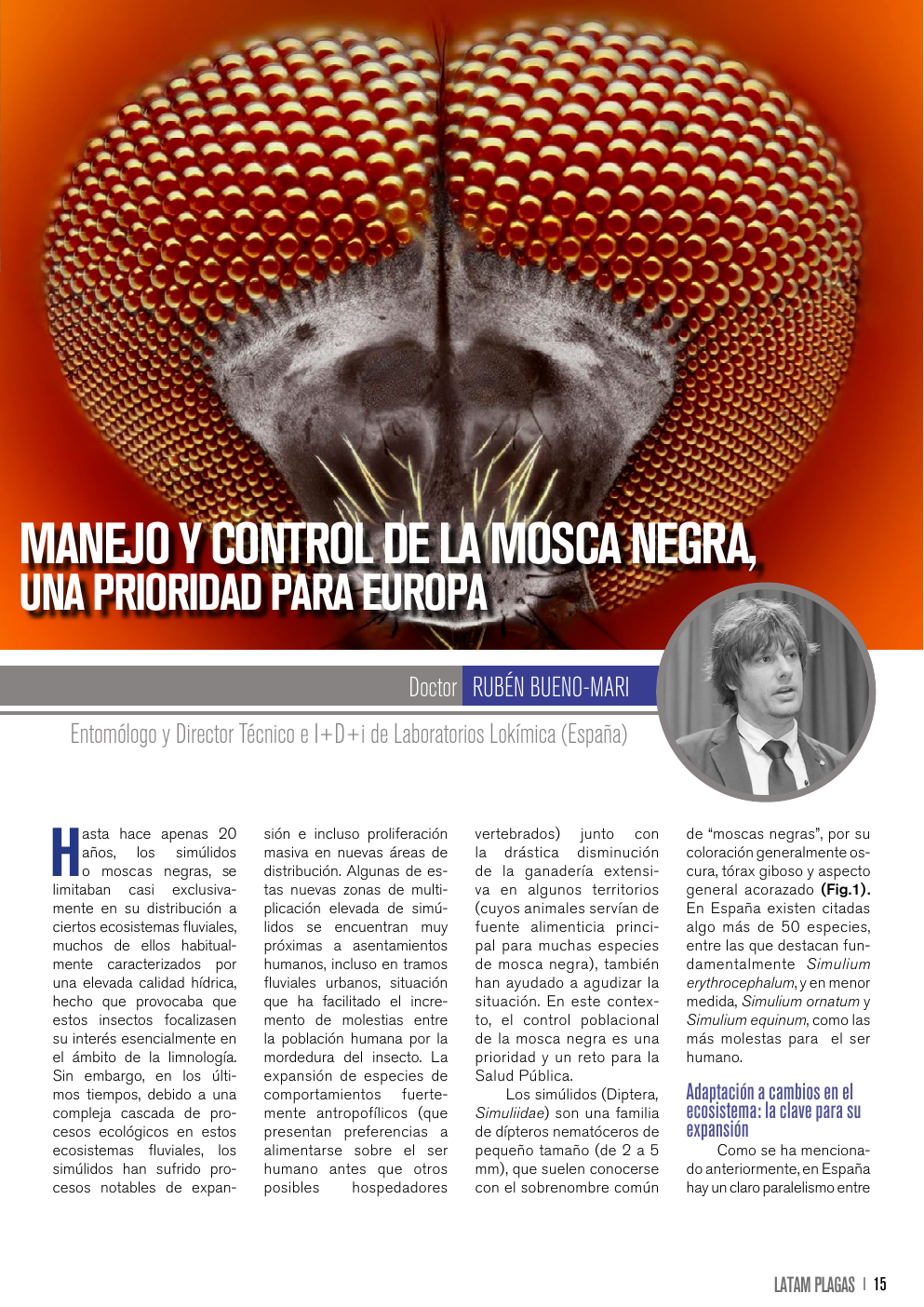
Until just 20 years ago, simulids or black flies were almost exclusively limited in their distribution to certain river ecosystems, many of them usually characterized by high water quality, a fact that caused these...
Read article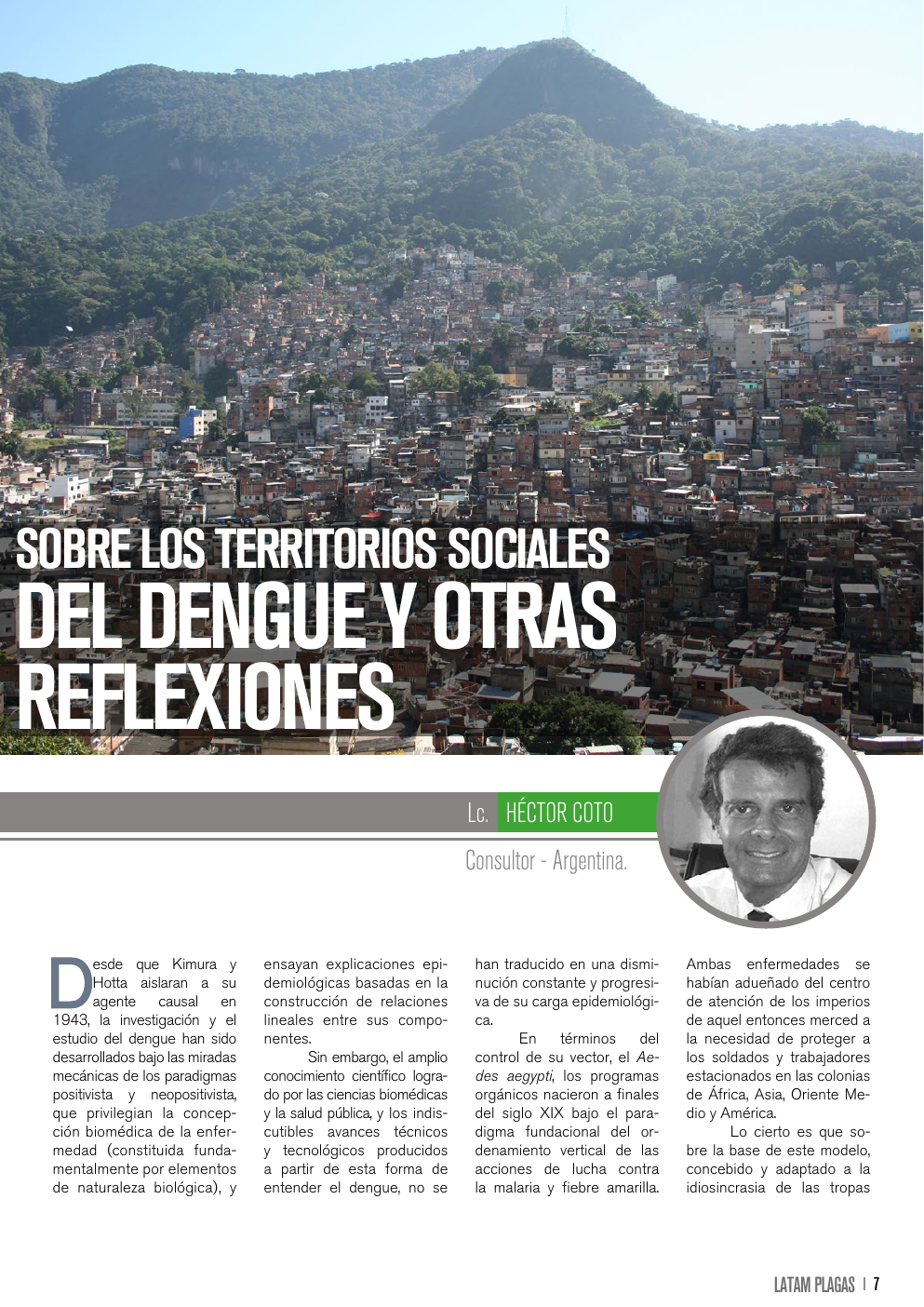
On the social territories of dengue and other reflections: Since Kimura and Hotta isolated its causal agent in 1943, the research and study of dengue have been developed under the mechanical perspective of the...
Read article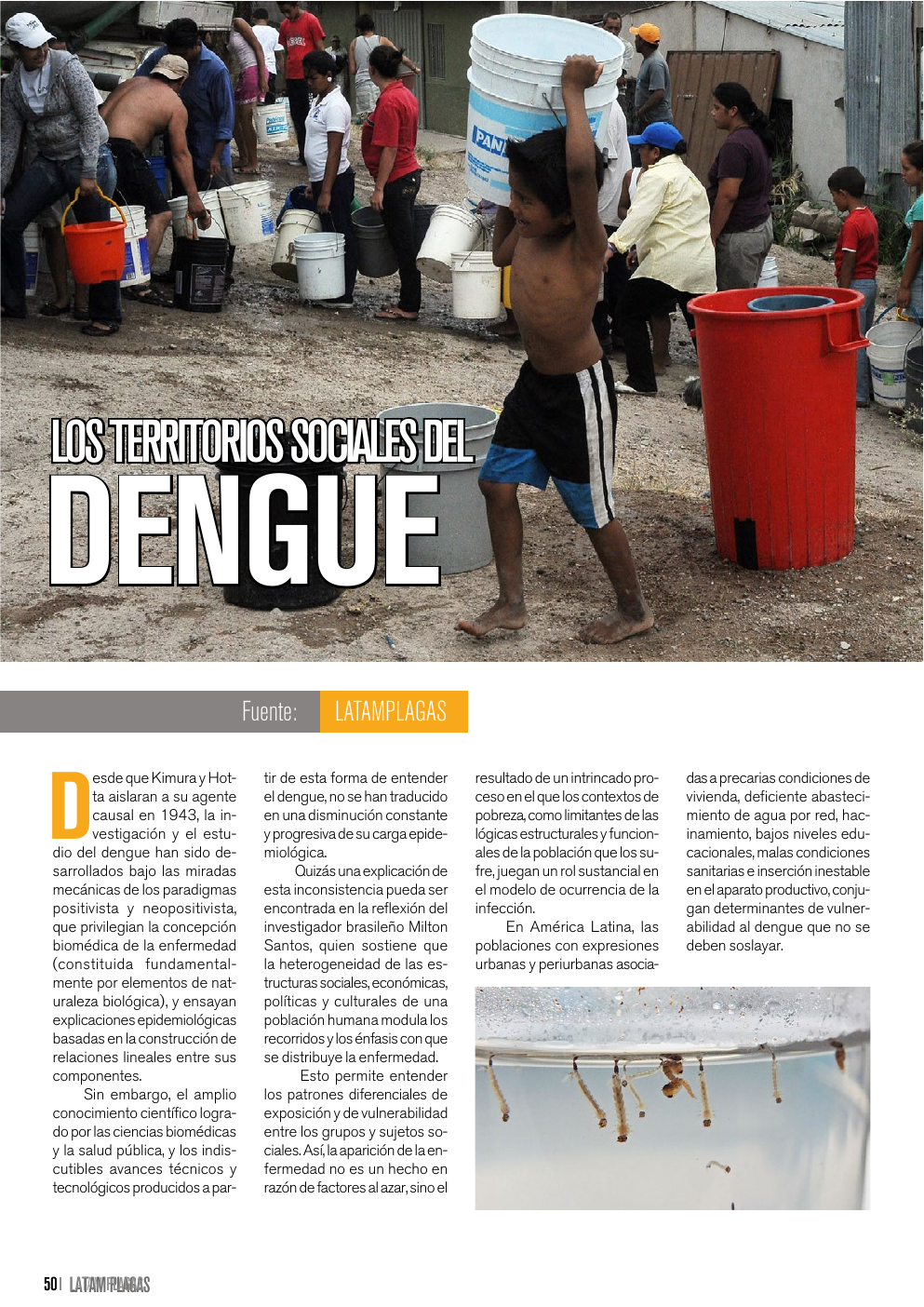
The social territories of dengue: Since Kimura and Hotta isolated its causal agent in 1943, the research and study of dengue have been developed under the mechanical perspective of the positivist and neopositivist...
Read article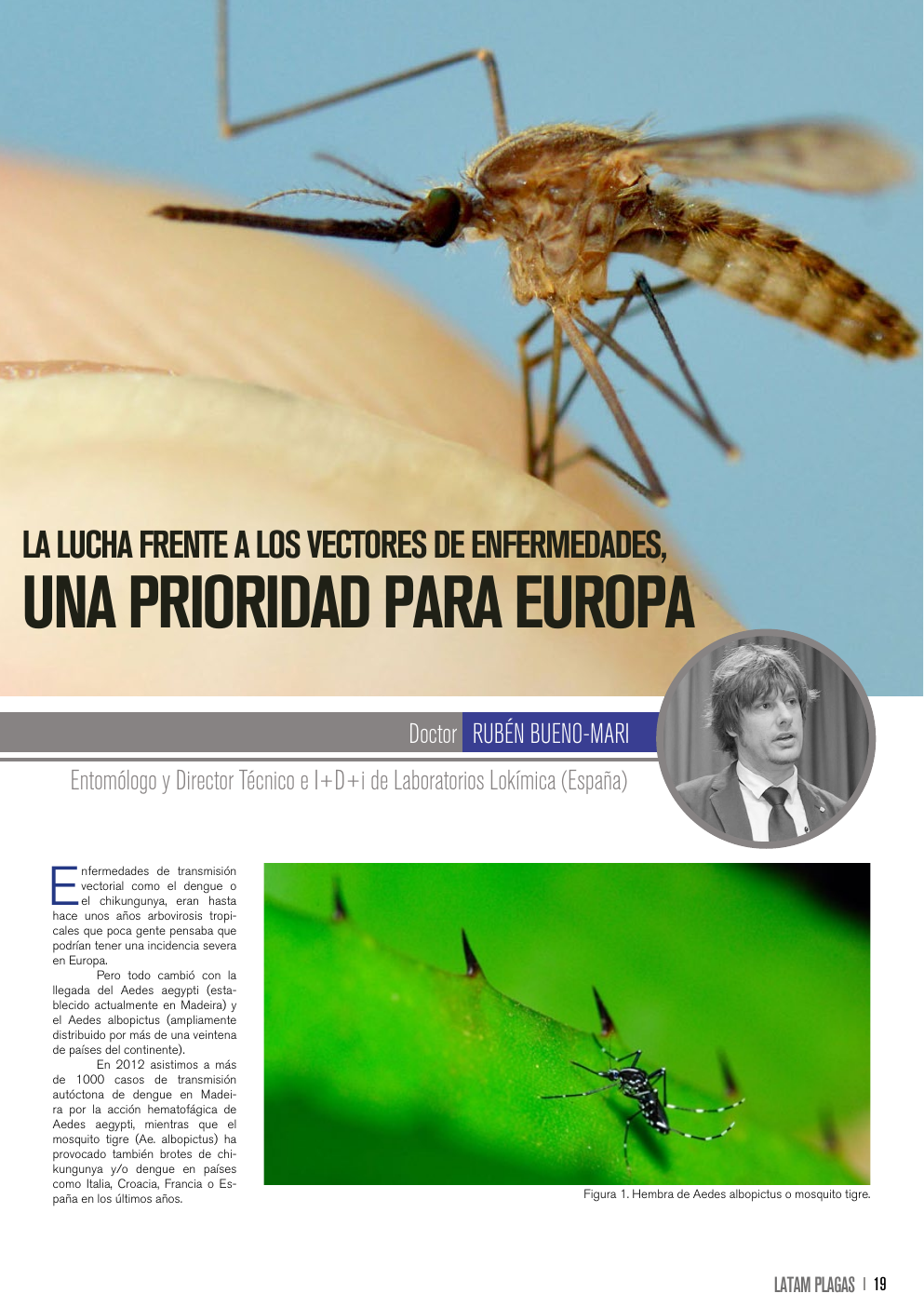
Vector-transmitted diseases such as dengue or chikungunya were, until a few years ago, tropical arboviruses that few people thought could have a severe impact in Europe.
Read article
During Tuesday, August 7 and Wednesday, August 8, UNIVAR Mexico successfully developed its second special day on public health at the Bex salons in Mexico City aimed at its clients.
Read article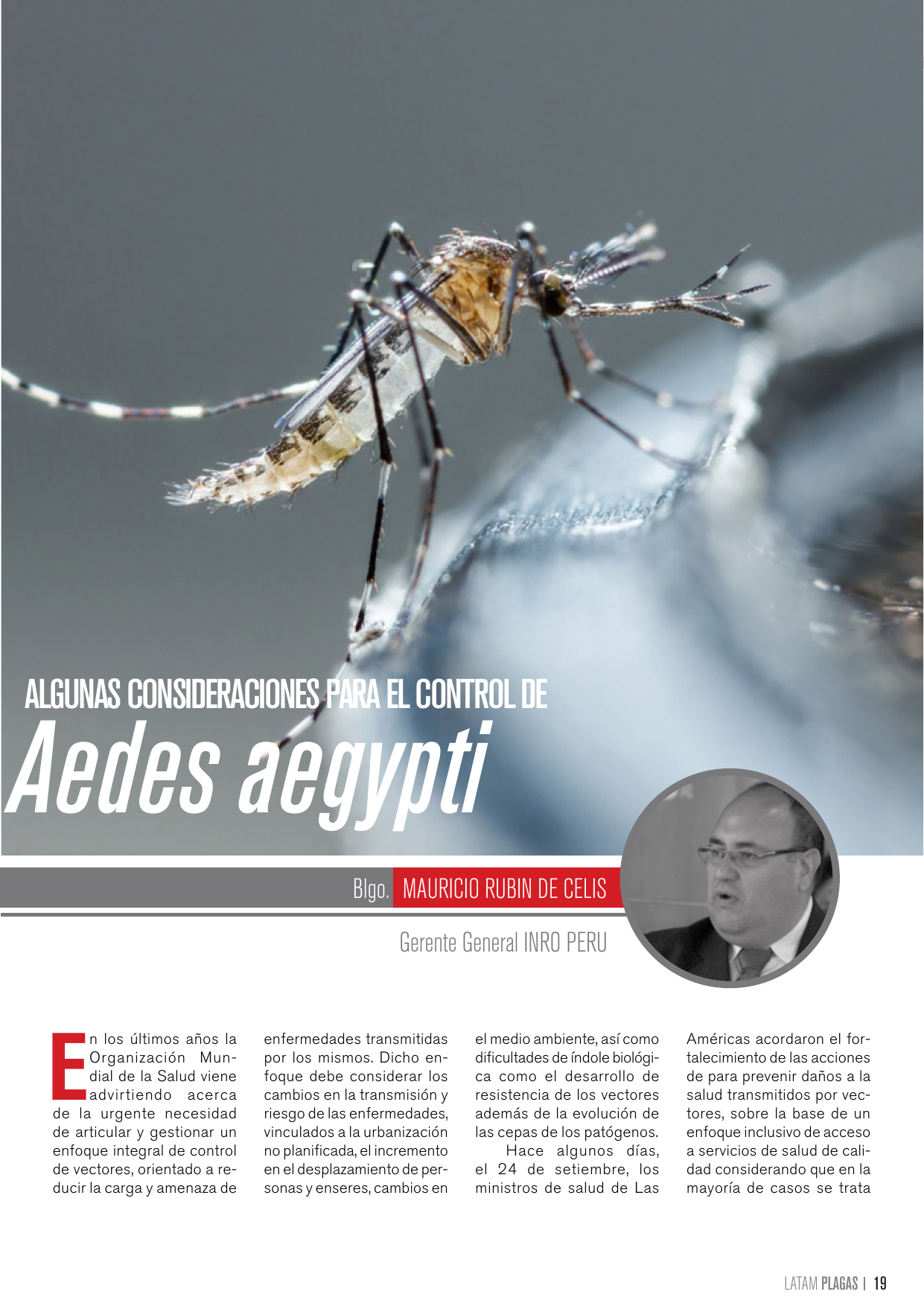
In recent years, the World Health Organization has been warning about the urgent need to articulate and manage a comprehensive approach to vector control, aimed at reducing the burden and threat of diseases...
Read article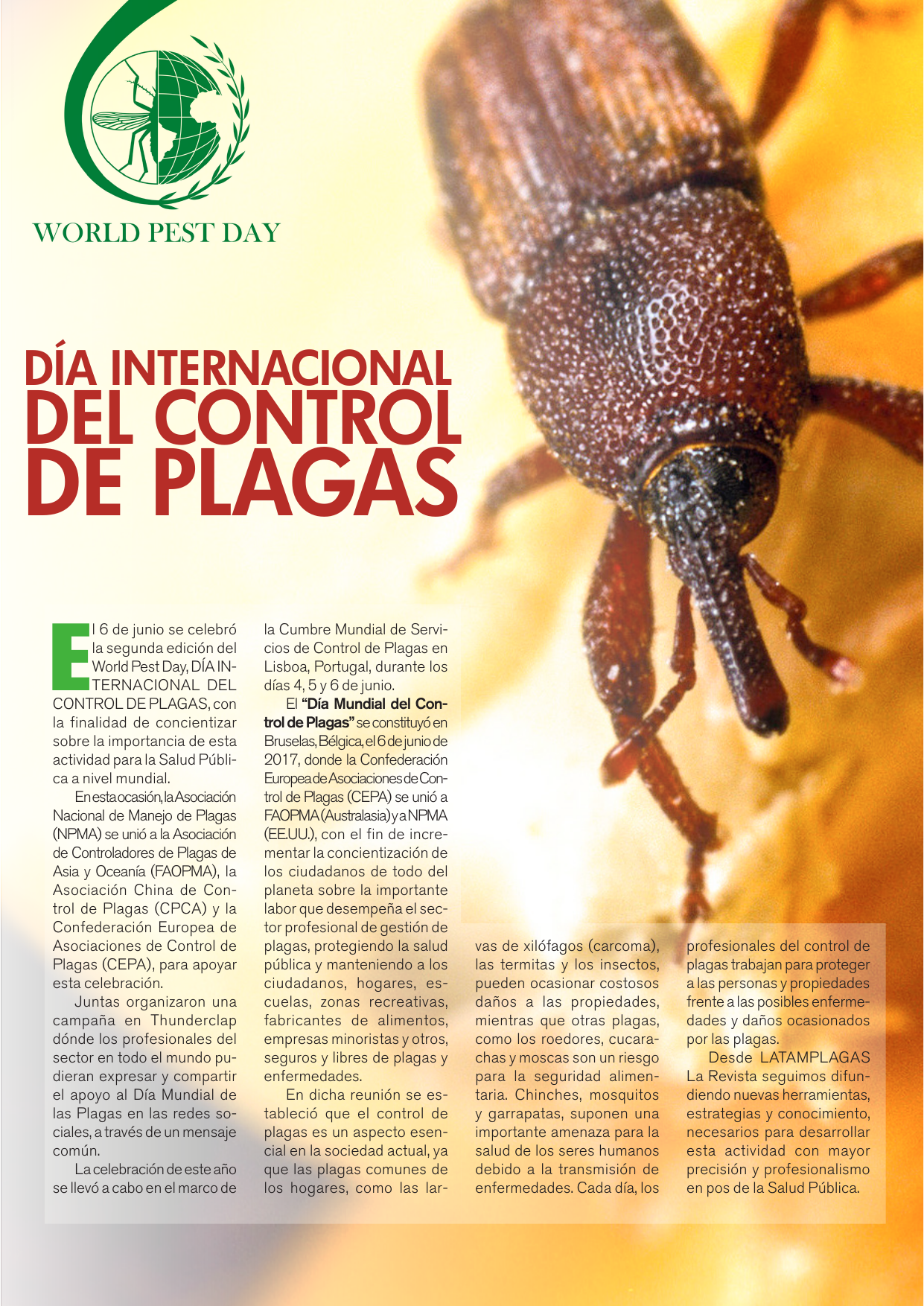
On June 6, the second edition of World Pest Day, INTERNATIONAL PEST CONTROL DAY, was celebrated with the purpose of raising awareness about the importance of this activity for Public Health worldwide.
Read article
In 1897, a British doctor named Ronald Ross discovered that female mosquitoes (of the genus Anopheles) were responsible for transmitting the malaria parasite.
Read article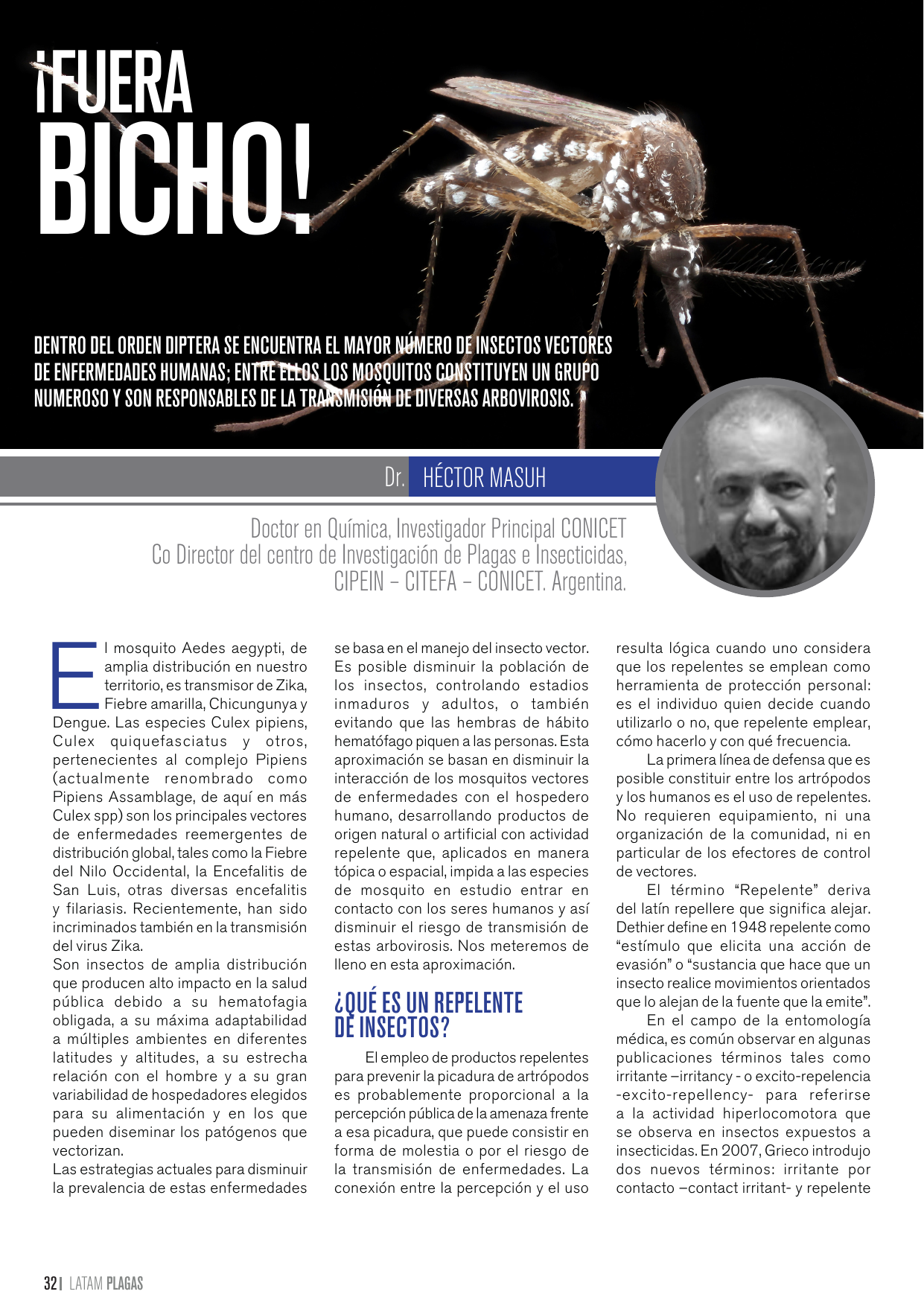
Within the order Diptera there is the largest number of insect vectors of human diseases; Among them, mosquitoes constitute a large group and are responsible for the transmission of various arboviruses..
Read article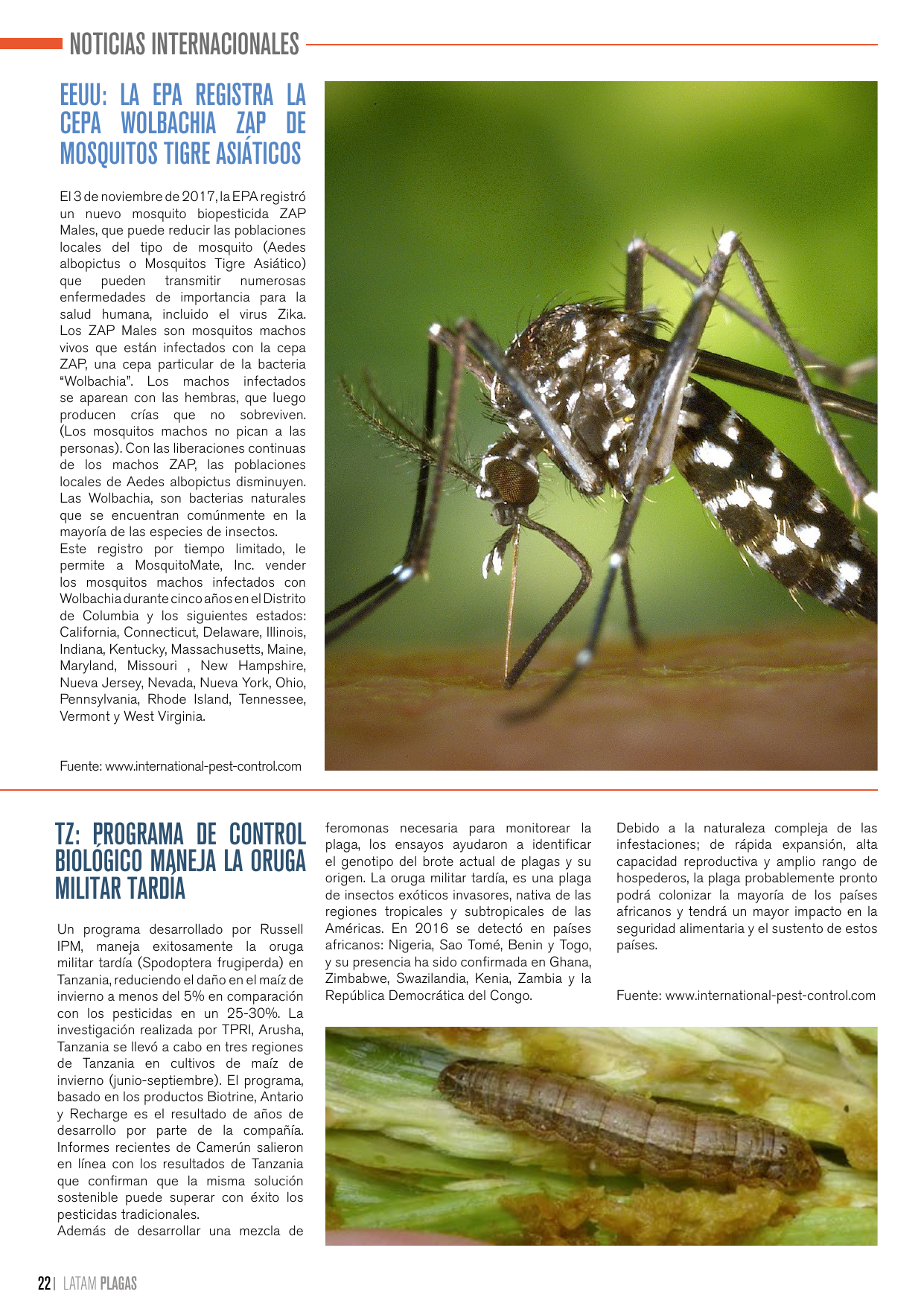
USA: EPA registers the Wolbachia ZAP strain of Asian tiger mosquitoes. On November 3, 2017, the EPA registered a new mosquito biopesticide ZAP Males, which can reduce local populations of Aedes albopictus, or Asian...
Read article
Recent years have seen increasing reports of bed bug infestations, a blood-sucking insect that has become a public health problem in many parts of the world.
Read article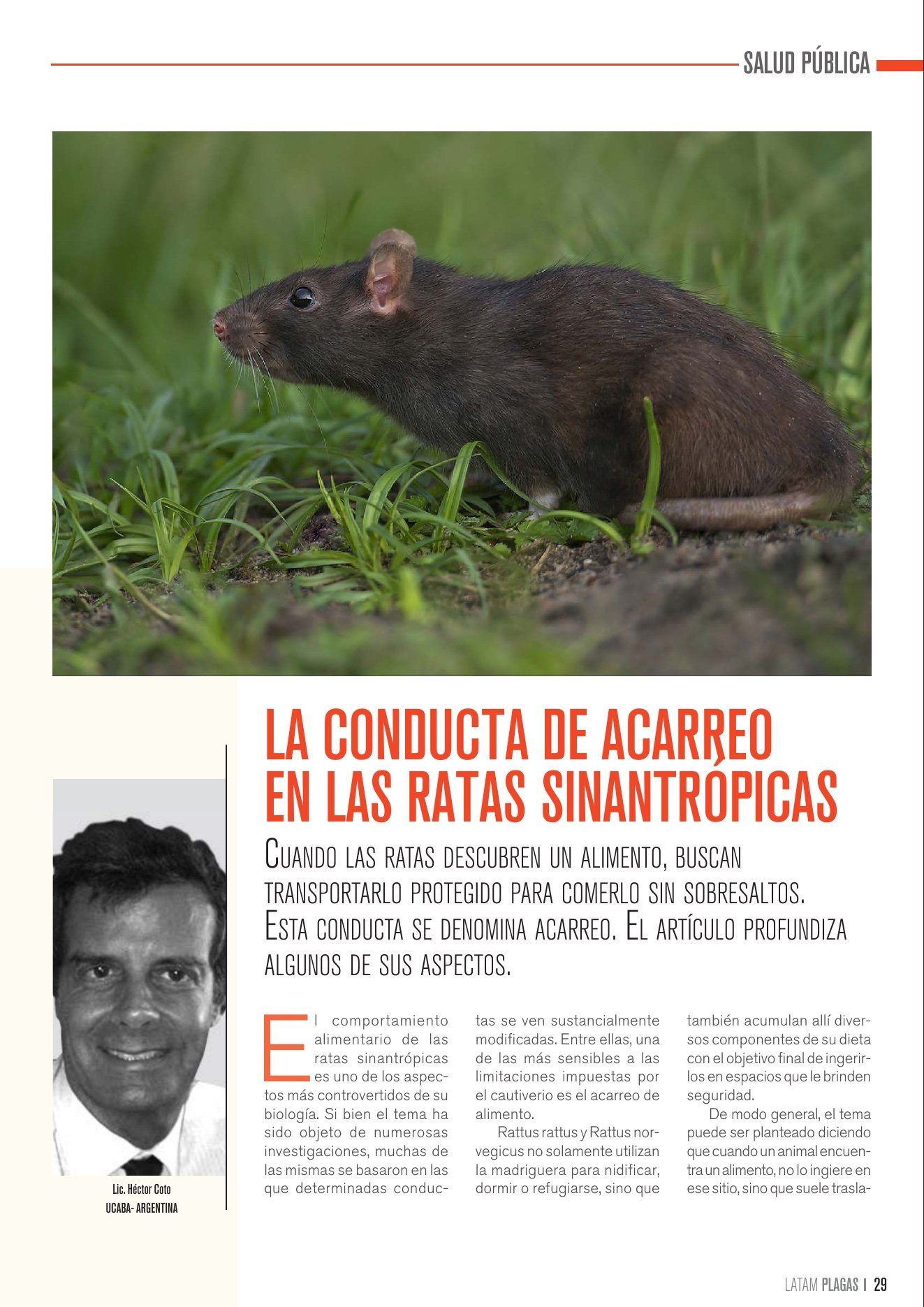
When rats discover food, they seek to transport it protected to eat it without incident. This behavior is called carrying. The article delves into some of its aspects..
Read article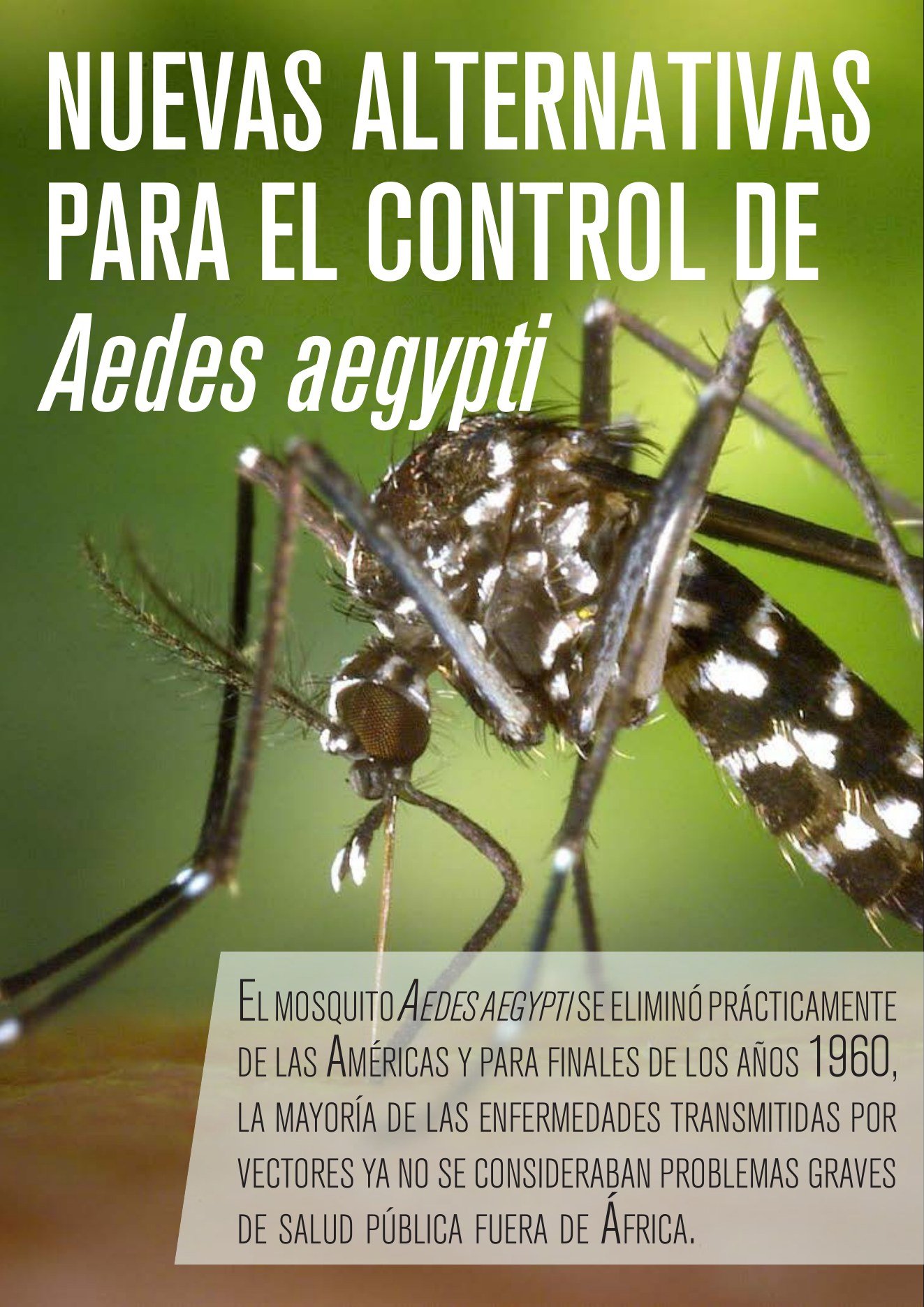
The mosquito Aedes aegypti was virtually eliminated from the Americas and by the late 1960s, most vector-borne diseases were no longer considered serious public health problems outside Africa..
Read article
We are already accustomed to the media reporting the presence of cockroaches, flies, rodents and other pests in different restaurants in Peru, regardless of the economic segment they serve.
Read article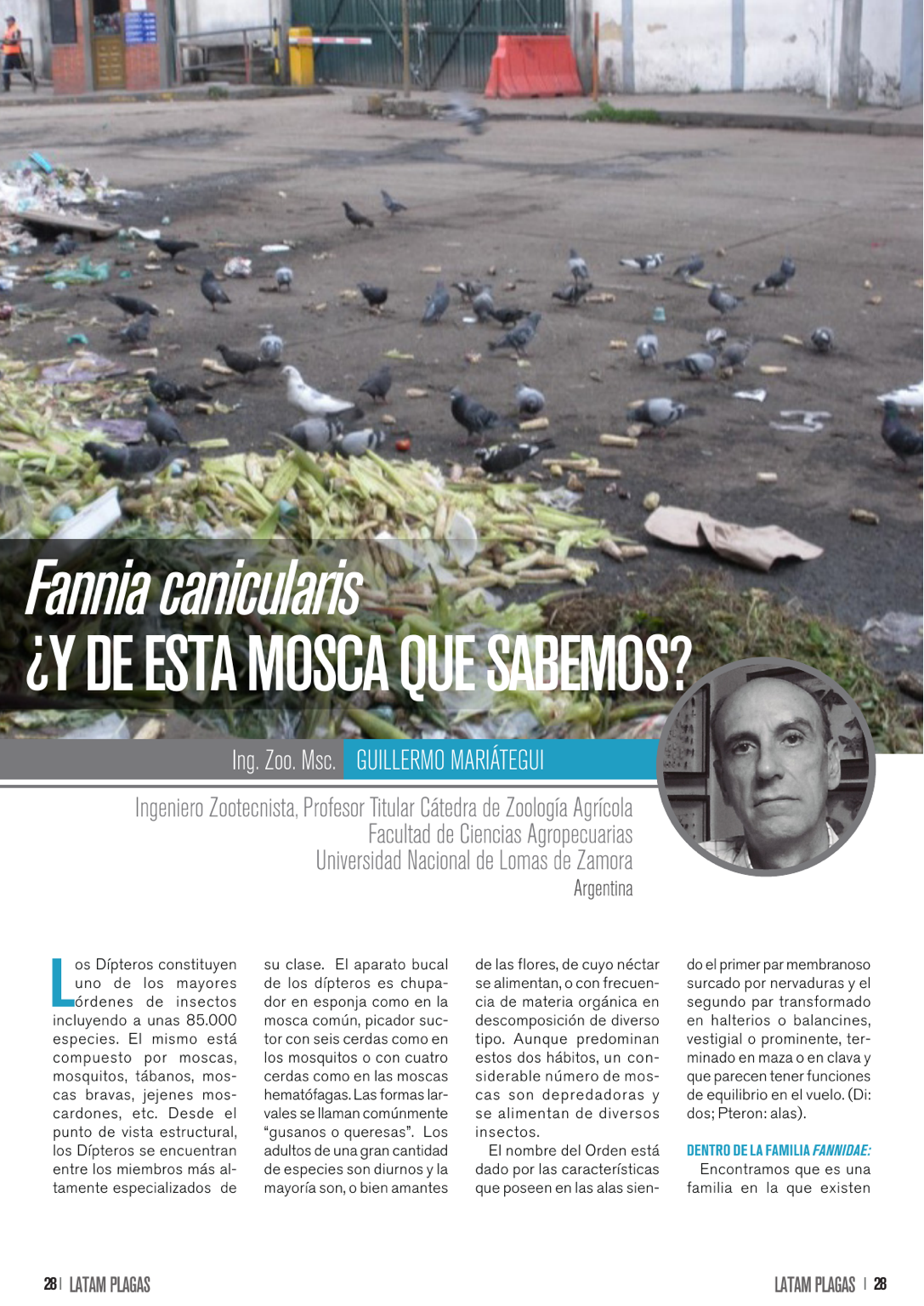
Los Dípteros constituyen uno de los mayores órdenes de insectos incluyendo a unas 85.000 especies. El mismo está compuesto por moscas, mosquitos, tábanos, moscas bravas, jejenes moscardones, etc.
Read article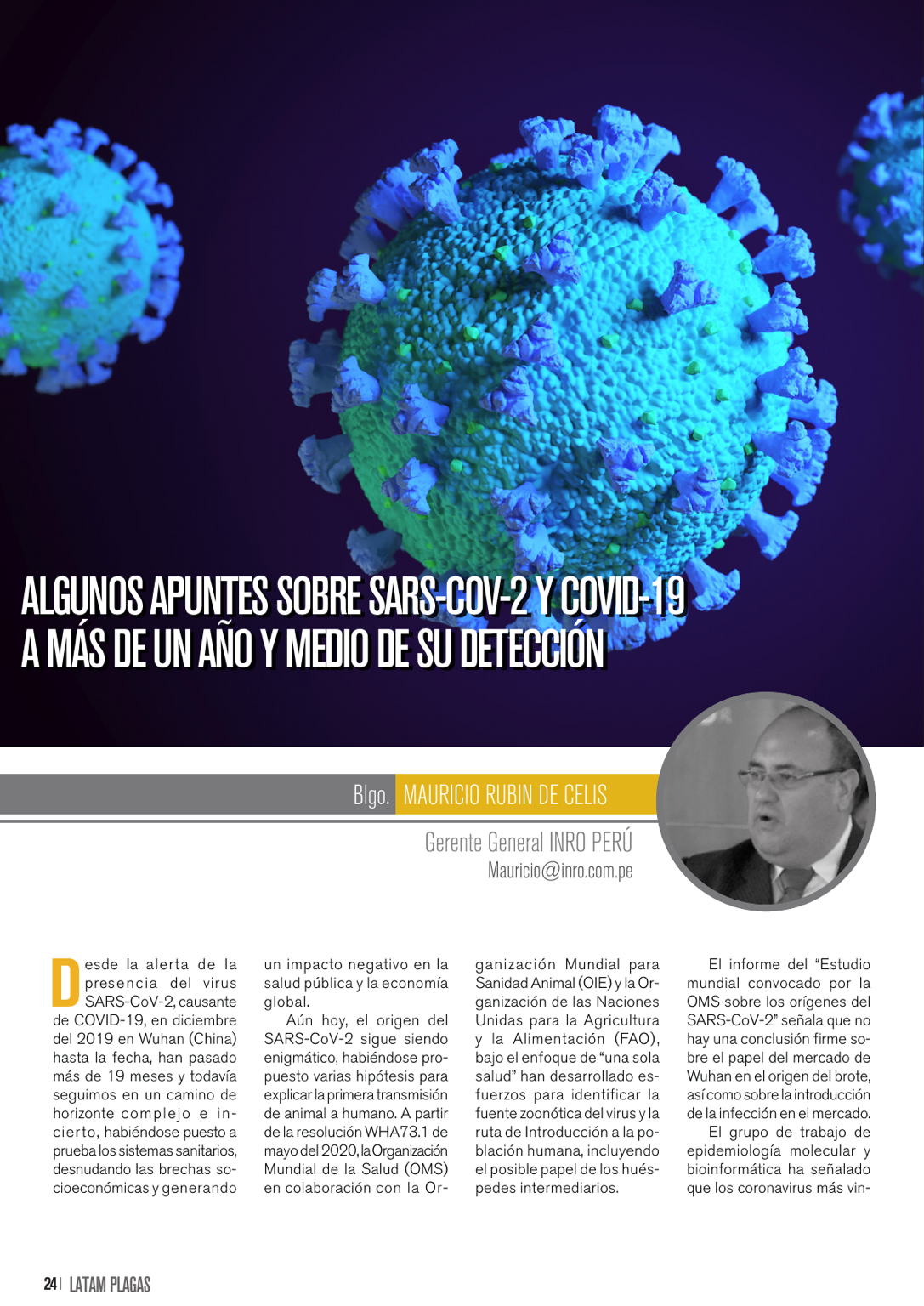
Desde la alerta de la presencia del virus SARS-CoV-2, causante de COVID-19, en diciembre del 2019 en Wuhan (China) hasta la fecha, han pasado más de 19 meses y todavía seguimos en un camino de horizonte complejo e...
Read article